Why Exterminators Rarely Recommend Fumigation for Mice Infestations
Why Fumigation for Mice Is Rarely the Best First Step
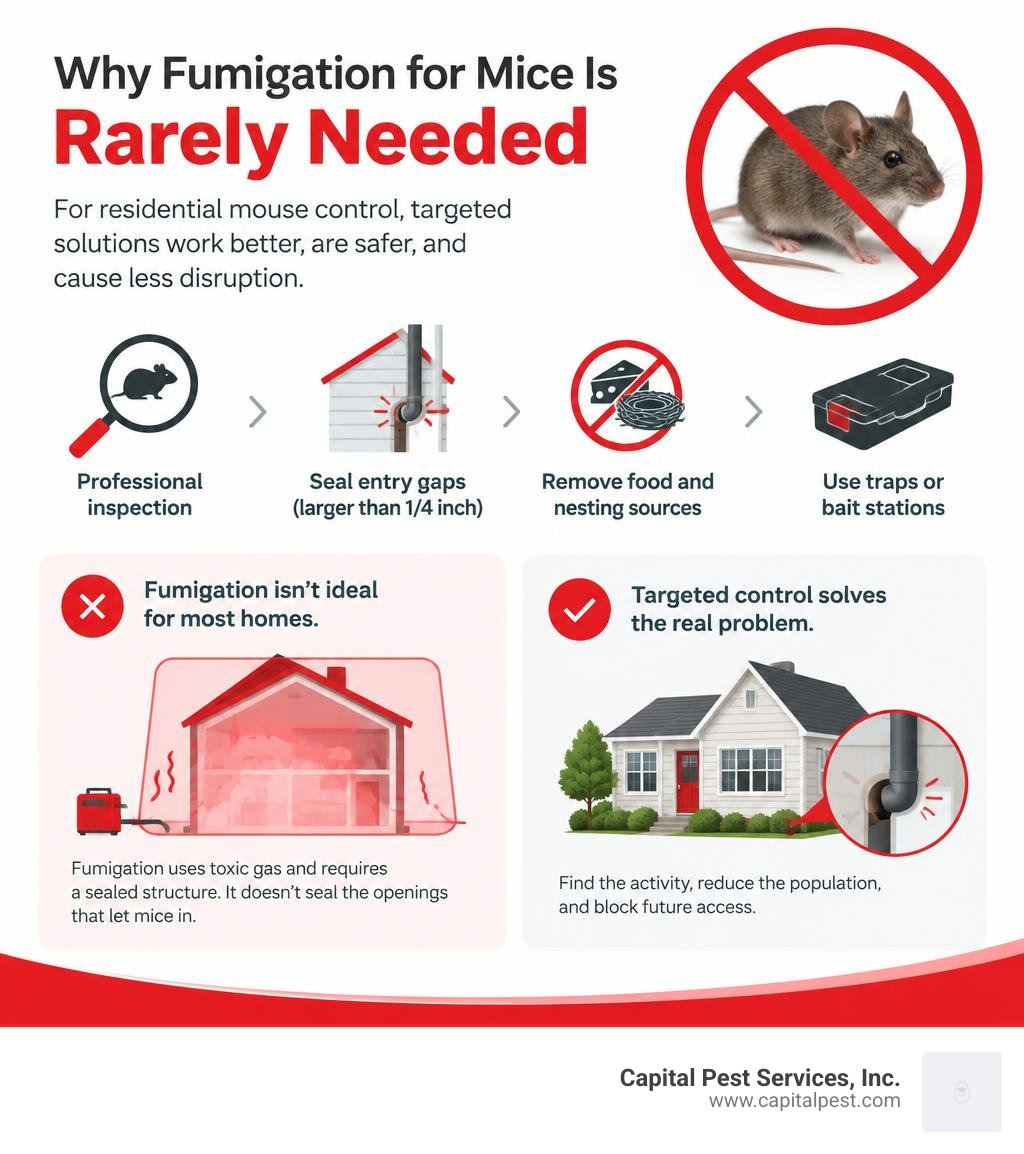
Fumigation for mice is almost never the best choice for a home. Start with a professional inspection, seal every entry gap larger than 1/4 inch, remove food and nesting sources, and use well-placed traps or monitored bait stations. These methods solve most residential mouse problems without the cost, evacuation, and disruption of whole-home fumigation.
Fumigation uses toxic gas to kill pests inside a sealed structure. It can be effective in rare, extreme cases, but it does not seal the openings that let mice in. If gaps around utility lines, doors, vents, or the foundation remain open, new mice can return soon after the home is cleared.
For most Raleigh-Durham homes, integrated pest management is the smarter path: find the activity, reduce the population, and block future access. This matters because mice can fit through an opening about 1/4 inch wide and may leave 50 to 75 droppings per mouse each day.
I’m Mitch Taylor, President of Capital Pest Services, Inc., with more than 17 years of pest-management experience serving the Raleigh-Durham Triangle. I help homeowners evaluate when fumigation for mice is truly warranted and when targeted, eco-conscious mouse control offers the safer long-term answer.
Understanding What Fumigation for Mice Involves
When homeowners hear the word “fumigation,” they often picture an all-powerful reset button that magically rids a home of every living pest overnight. In reality, structural fumigation is a complex industrial procedure involving restricted-use pesticides (RUPs) regulated under strict federal and state guidelines.
True fumigation is not the same as setting off a store-bought aerosol “fogger” or “bug bomb.” Aerosol foggers only release tiny liquid droplets that settle on exposed horizontal surfaces. Fumigation introduces true airborne gases, such as sulfuryl fluoride or phosphine formulations, that penetrate deep into porous building materials, wall voids, subfloors, and dense attic insulation.
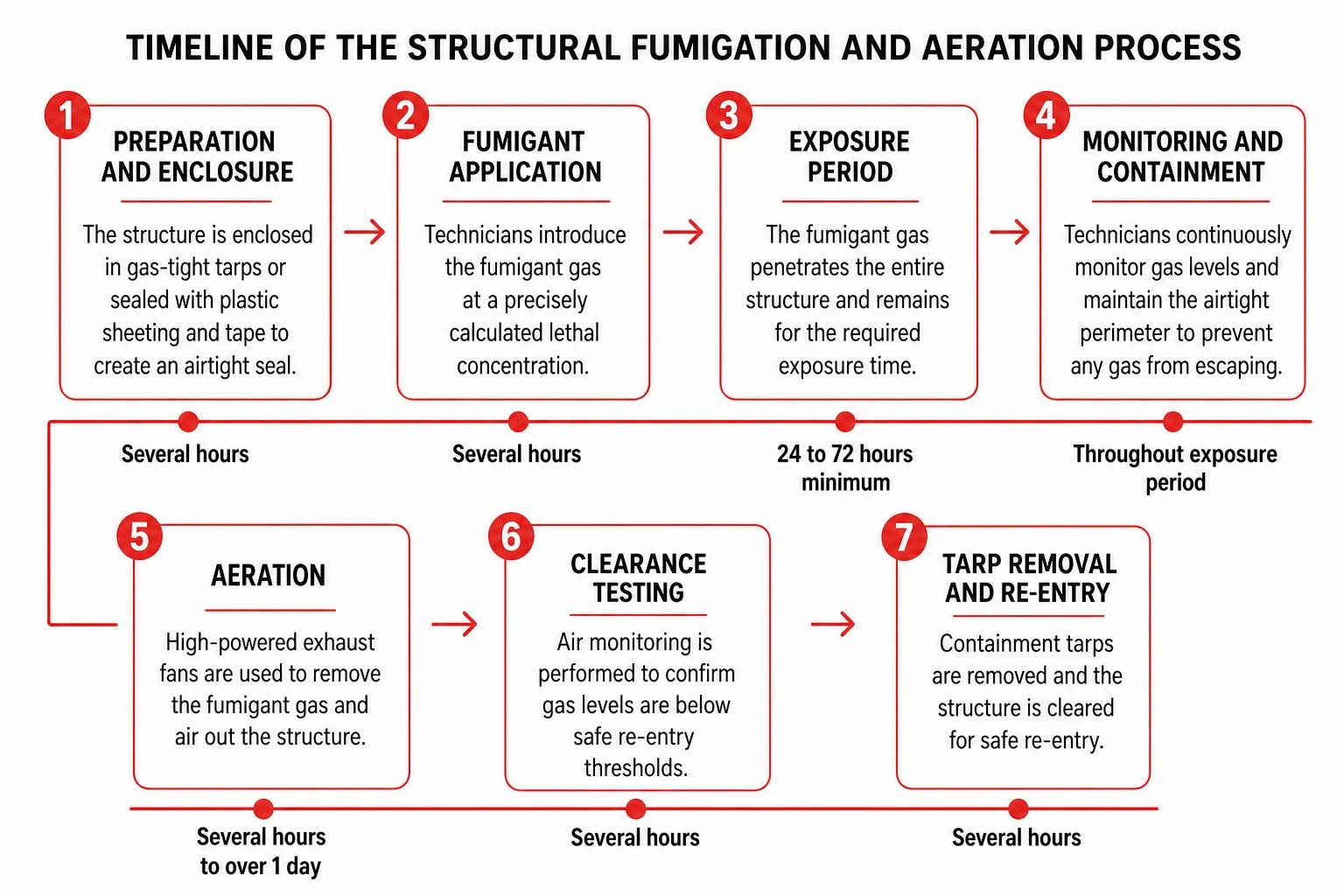
To execute a structural treatment, the entire property is enclosed in heavy, gas-tight tarps (commonly known as “tenting”) or completely sealed with plastic sheeting and industrial adhesive tapes. Once an airtight seal is established, technicians release the fumigant at a precisely calculated lethal gas concentration.
| Feature | Whole-Structure Fumigation | Integrated Rodent Control (IPM) |
|---|---|---|
| Primary Mechanism | Airborne toxic gas (e.g., Sulfuryl Fluoride) | Mechanical exclusion + targeted trapping & baiting |
| Average Cost | $2,500 to $10,000+ | $200 to $1,200 |
| Residual Protection | Zero (dissipates completely) | Long-term physical barrier |
| Evacuation Required? | Yes (24 to 72 hours minimum) | No |
| Addresses Root Cause? | No (leaves entry holes unsealed) | Yes (seals exterior access points) |
| Typical Treatment Time | 1 to 3 days | 3 to 5 weeks for full eradication |
The Science and Chemicals Behind Structural Gassing
The primary chemical agents used in structural gassing—most commonly sulfuryl fluoride—work through pure inhalation toxicity. Because gases consist of individual molecules rather than suspended liquid droplets, they rapidly permeate every nook, cranny, and pipe chase within the building envelope.
When inhaled by mammals like the common house mouse (Mus musculus), these gases disrupt cellular respiration, shutting down the central nervous system and vital metabolic functions.
Because of the extreme toxicity of these compounds, the Environmental Protection Agency (EPA) mandates extensive safety protocols. Fumigators must monitor ambient wind conditions, use high-precision gas monitoring devices, and maintain an airtight perimeter throughout the chemical exposure period to prevent gas from leaking into neighboring properties.
Why Whole-Structure Tenting Leaves Zero Residual Protection
The single biggest operational flaw with using fumigants against rodents is the lack of residual protection. Chemical fumigants are designed to do their job and then dissipate entirely during the aeration phase. Once the containment tarps are removed and high-powered exhaust fans air out the building, zero active chemical remains on surfaces, behind drywall, or in crawlspaces.
If your foundation vents, soffits, or utility line entry points remain unsealed, outdoor mice can wander straight into your freshly treated home just hours after the clearance certification is issued.
A single breeding pair of mice can produce over 60 offspring in a single year under ideal indoor conditions. Eliminating the interior population while ignoring exterior entry points simply creates a clean slate for a brand-new rodent colony to occupy. This is why sustainable comprehensive residential pest control always prioritizes physical exclusion over temporary chemical flushes.
Why Exterminators Treat Tenting as a Last Resort
Across the pest-management industry, fumigation is considered a last resort for roughly 99% of residential mouse situations. It is an extreme, disruptive measure designed primarily for drywood termites or severe wood-boring beetle infestations that cannot be reached mechanically.
Using full structural tenting for standard residential mouse activity represents costly overkill. Mice do not live inside solid structural timbers; they travel along established runways, hide inside void spaces, and venture out to forage for crumbs and nesting materials. Standard behavior-based pest control methods exploit these natural foraging habits safely and sustainably, making fumigation unnecessary in nearly every home scenario.
The High Costs of Fumigation for Mice
Whole-structure gassing requires specialized safety gear, costly chemical agents, continuous air-monitoring equipment, and dedicated crews holding specialized RUP category certifications.
Consequently, whole-structure fumigation ranges in cost from $2,500 to $10,000 or more, depending heavily on the square footage, layout, and structural complexity of the building.
By contrast, solving a rodent infestation through targeted trapping, strategic baiting, and structural exclusion sealing typically ranges from $200 to $1,200. Homeowners who invest in targeted rodent control services solve their problem permanently at a fraction of the price of whole-house tenting.
Disruption, Health Risks, and Evacuation Timelines
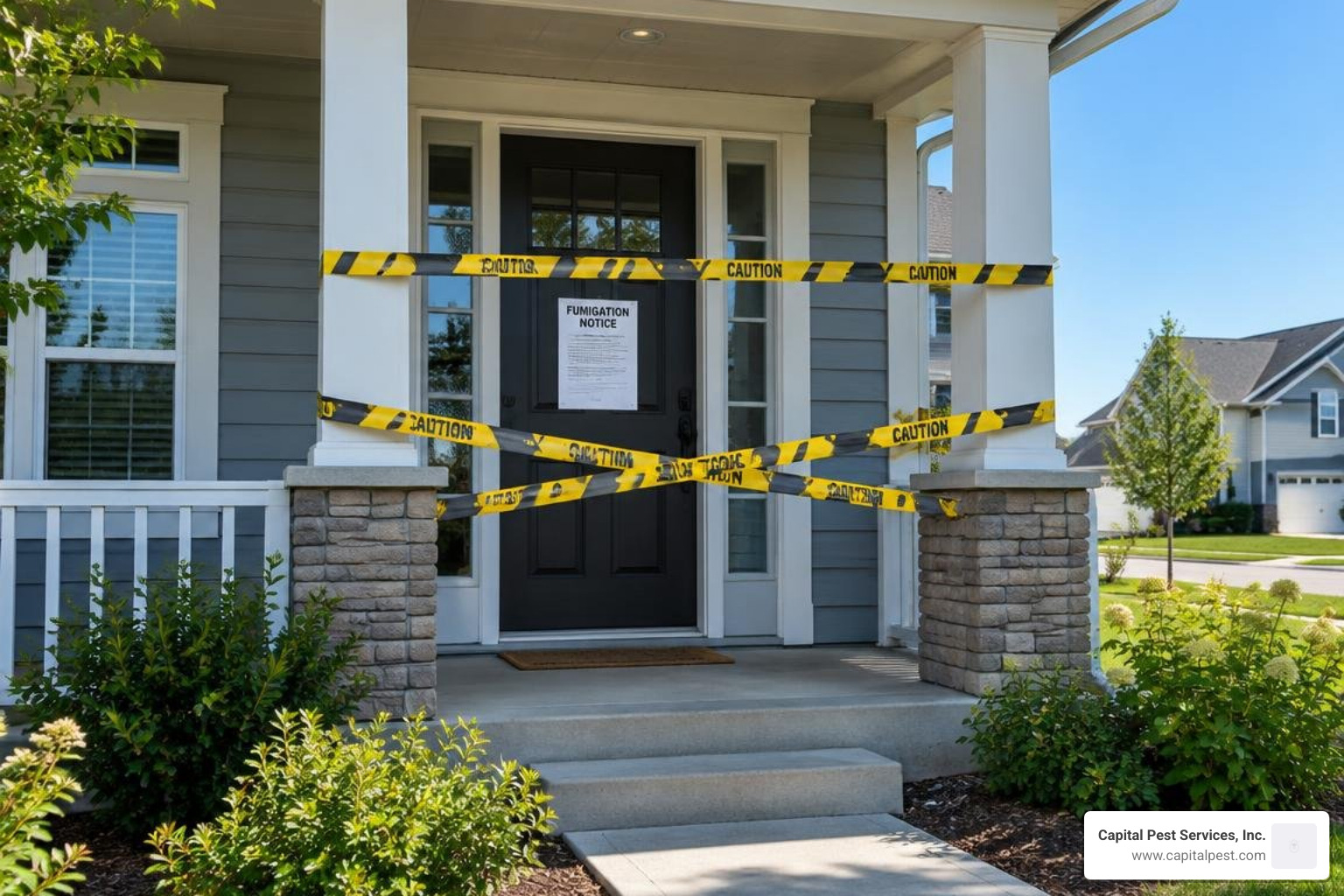
Fumigation is a major logistical undertaking that requires complete building evacuation for 1 to 3 days (24 to 72 hours). During this window, no living organism may remain inside:
- Complete Evacuation: Every human resident, domestic pet, and indoor houseplant must vacate the premises before gas release.
- Consumable Protection: All unsealed food, pantry goods, pet kibble, and oral medications must either be removed from the property or double-bagged inside specialized airtight nylon polymer bags.
- Clearance Protocols: Technicians must measure indoor air quality with specialized gas analyzers to verify that chemical levels have dropped below EPA permissible exposure limits (typically under 1 ppm) before anyone is allowed to step back inside.
For most busy households, organizing pet boarding, hotel stays, and food preparation makes fumigation an unnecessary headache for an issue that can be handled through targeted interior and exterior treatments.
Rare Scenarios and Commercial Regulations
While whole-home gassing is virtually never recommended for standard suburban houses, specialized applications for gaseous pest control do exist.
When Is Fumigation for Mice Actually Recommended?
In rare residential cases, structural fumigation may be evaluated when physical access for technicians is completely blocked:
- Extreme Hoarding Conditions: Homes with ceiling-high clutter where technicians cannot safely inspect runways, reach exterior walls, or set mechanical traps.
- Massive Ductwork and Insulation Contamination: Properties where mice have compromised deep inaccessible chases across multi-level structures, accompanied by severe biohazard conditions or municipal Board of Health declarations.
- Complex Historic Architecture: Structures with historic balloon-frame construction featuring open, unbaffled wall channels running unbroken from foundation to attic, where physical exclusion cannot be achieved without destructive remodeling.
Commercial Applications and Maritime Compliance
In industrial and maritime settings, gaseous treatments remain an essential tool for public health and trade preservation. Bulk storage facilities, agricultural grain elevators, and international shipping vessels rely on fumigation to protect raw commodities from rodent destruction and stop invasive pests from crossing borders.
These operations follow strict national and international protocols, including the IMO Recommendations on the Safe Use of Pesticides in Ships, which outline mandatory gastight sealing, in-transit monitoring, and gas-free clearance certification before cargo unloading.
Proven Alternatives: The Integrated Pest Management Approach
The gold standard for residential rodent management is Integrated Pest Management (IPM). Rather than introducing toxic gases into your living space, IPM attacks the biology and behavior of mice: eliminating entry pathways, cutting off food supplies, and systematically removing the interior colony.
Professional Exclusion and Entry Point Sealing
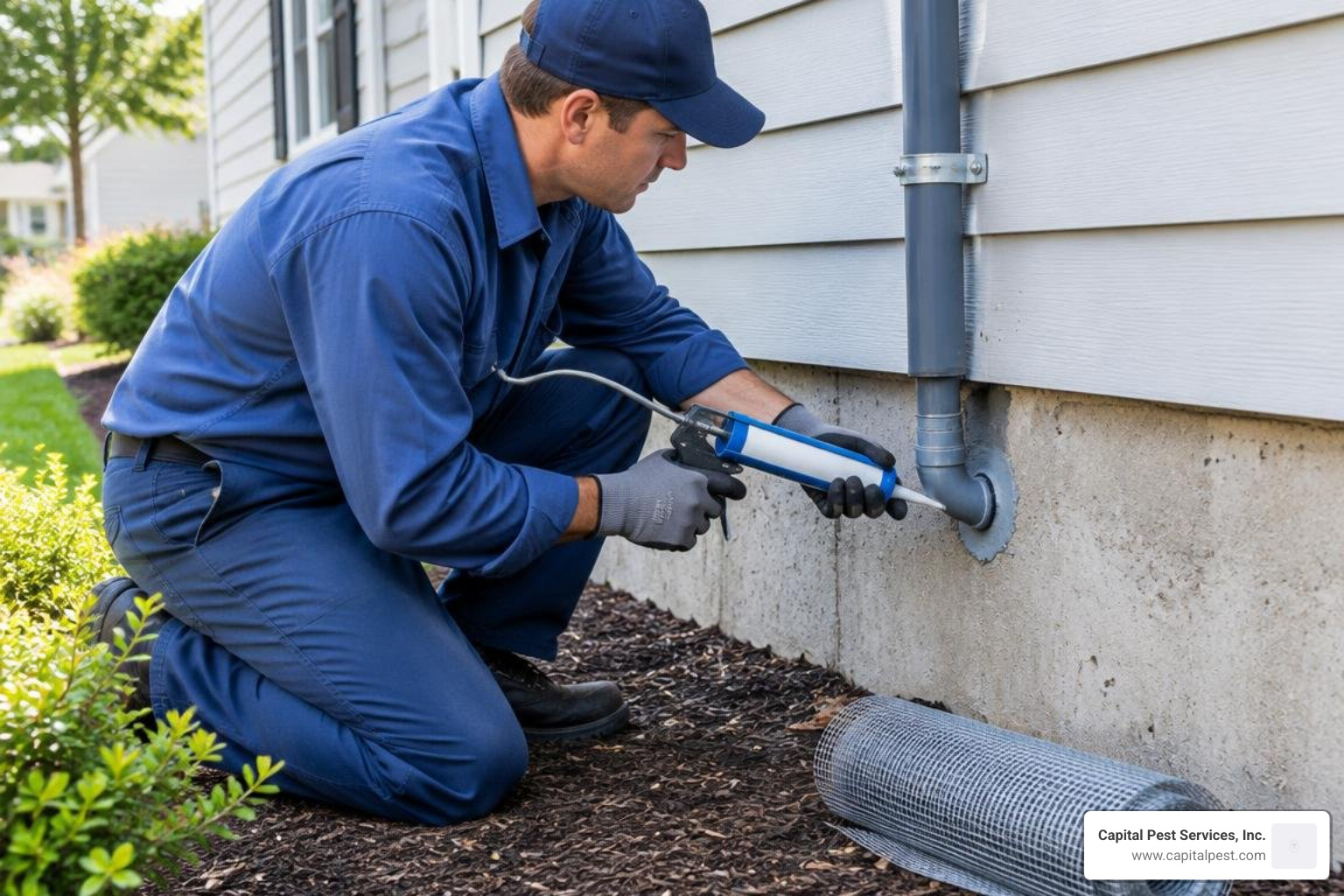
The most critical step in permanent mouse eradication is structural exclusion. Because mice have collapsible rib cages, an adult house mouse can squeeze through an opening as small as 0.25 inches (6.4 mm)—about the diameter of a standard number 2 pencil or a dime.
Professional exclusion focuses on sealing these vulnerabilities using durable, chew-proof materials:
- Copper Mesh and Stainless Steel Wool: Packed tightly into weep holes, brick-mortar gaps, and conduit openings. Unlike standard expanding spray foam—which mice can chew through in a matter of hours—metal mesh shreds rodent teeth and halts entry immediately.
- Heavy-Gauge Hardware Cloth (1/4-inch mesh): Secured over foundation crawlspace vents, attic louvers, and soffit intakes.
- Silicone and Polyurethane Sealants: Applied over mesh barriers to create an airtight, weather-resistant structural finish.
- Door Sweeps and Weatherstripping: Installed along exterior doors and garage thresholds to eliminate bottom gaps.
Strategic Trapping and Monitored Bait Stations
Once exterior entry points are secured, the interior population must be systematically removed. This is achieved through a coordinated trapping and baiting strategy that safely eliminates rodents inside the building envelope.
- Precision Snap Trapping: Wooden or composite snap traps placed in pairs along active baseboard runways, with triggers facing the wall. Professional attractants like peanut butter, seed paste, or nesting cotton are far more reliable lures than cartoon cheese.
- Tamper-Resistant Exterior Bait Stations: Locked, weighted stations placed along foundation perimeters. These stations keep professional-grade rodenticides securely locked away from children, pets, and non-target wildlife while intercepting foraging mice outdoors.
- Monitored Progress: Residential mouse eradication typically requires 3 to 5 weeks to clear the existing indoor population, ensure zero new activity, and confirm that all exclusion seals remain intact.
Investing in long-term protection through customized pest control plans ensures continuous exterior monitoring and maintenance, preventing seasonal infestations before mice ever make it past your foundation.
Frequently Asked Questions About Mouse Control
How long does standard residential mouse extermination take?
A standard residential mouse extermination program typically takes 3 to 5 weeks. This timeline allows technicians to establish physical exclusion barriers, systematically deplete the interior population using precision snap traps and baiting, monitor runway activity, and confirm that no newly weaned pups remain inside wall voids.
Can mice return to a home after it has been fumigated?
Yes. Fumigation leaves zero residual chemical protection once the building is aerated. If the original exterior entry points—such as foundation gaps, uncapped utility chases, or damaged door sweeps—are not physically sealed with metal mesh and sealant, outdoor mice will follow existing pheromone scent trails and re-enter the property almost immediately.
What size opening can a mouse squeeze through to enter a house?
Mice can squeeze through structural openings as small as 0.25 inches (1/4 inch or roughly 6.4 mm) in diameter. Common points of entry include gaps around exterior HVAC lines, plumbing penetrations, damaged crawlspace vent screens, unsealed garage door corners, and rotted fascia boards along the roofline.
Conclusion
While whole-structure fumigation is an effective tool for severe wood-destroying insect infestations or specialized agricultural facilities, it is almost never the appropriate solution for residential mice. Tenting a home is expensive, requires days of complete evacuation, exposes your household to unnecessary chemicals, and fails to fix the structural vulnerabilities that allowed rodents indoors in the first place.
Permanent rodent control relies on expert exclusion, targeted population reduction, and proactive property maintenance. By sealing entry gaps larger than a quarter-inch and implementing monitored trapping, you protect your family, preserve your property, and ensure mice stay outside where they belong.
If you suspect rodent activity in your attic, crawlspace, or kitchen, our team is here to deliver safe, effective, and lasting results throughout Raleigh, Durham, Chapel Hill, Cary, Wake Forest, and surrounding Triangle communities. Skip the unnecessary disruption of fumigation and schedule a professional mouse inspection with local pest control near me today.
Capital Pest is proud to be a family-owned and operated pest control company serving Raleigh, NC and its surrounding area (Chapel Hill, Wake Forest, Clayton, Pinehurst, Pittsboro, Fuquay-Varina, etc). Contact us for our pest control services today!