What You Should Expect to Pay for Professional Termite Treatment
The Average Price for Termite Treatment in 2026: Overall Breakdown
Across the United States in 2026, homeowners typically see a national average cost for termite remediation of approximately $575 for basic or targeted jobs, while comprehensive whole-home eradication averages roughly $1,500. Depending on the size of the structure, the depth of the infestation, and the eradication approach, overall service costs generally span between $225 and $2,500, with extreme structural situations requiring extensive measures reaching higher.
Termite pricing has evolved over recent years. Driven by rising material costs, advanced chemical formulations, and specialized equipment requirements, industry data highlights that overall costs have climbed roughly 17.8% since 2022. You can learn more about how market trends shape overall service rates through recent analyses on 2026 termite pricing trends.
A critical distinction to understand when reviewing quotes is the billing unit used by pest control operators. Unlike general pest management that often relies on interior square footage, subterranean termite treatments are predominantly priced per linear foot around the exterior foundation. Bait station installations and liquid barriers require technicians to trench, treat, or drill around the structure’s physical perimeter.
| Treatment Method | Typical Cost Range | Average Duration / Lifespan | Target Species |
|---|---|---|---|
| Liquid Soil Barrier | $1,000 – $3,500 ($3 – $20 / linear ft) | 5 – 10 Years residual protection | Subterranean termites |
| Bait Station System | $1,200 – $3,500 install ($300 – $500/yr renewal) | Ongoing (annual inspection & refills) | Subterranean termites |
| Whole-Structure Treatment | $1,500 – $5,000+ ($1 – $4 / sq ft) | Immediate eradication (0 residual) | Drywood termites |
| Localized / Spot Treatment | $225 – $900 ($6 – $8 / sq ft targeted) | Short-term / localized barrier | Isolated subterranean or drywood |
Calculating the Average Price for Termite Treatment by Home Size
Because subterranean termites enter through the soil, exterior foundation perimeter directly determines how much chemical termiticide or how many bait stations your home requires. A simple rectangular home has fewer linear feet than a home of identical square footage featuring complex bump-outs, attached porches, carports, and adjoining concrete slabs.
When concrete patios, walkways, or driveways abut your foundation, technicians must drill through the masonry every few inches to inject liquid termiticide into the soil below before patching the holes. This specialized labor naturally increases the total service investment compared to open soil trenching.
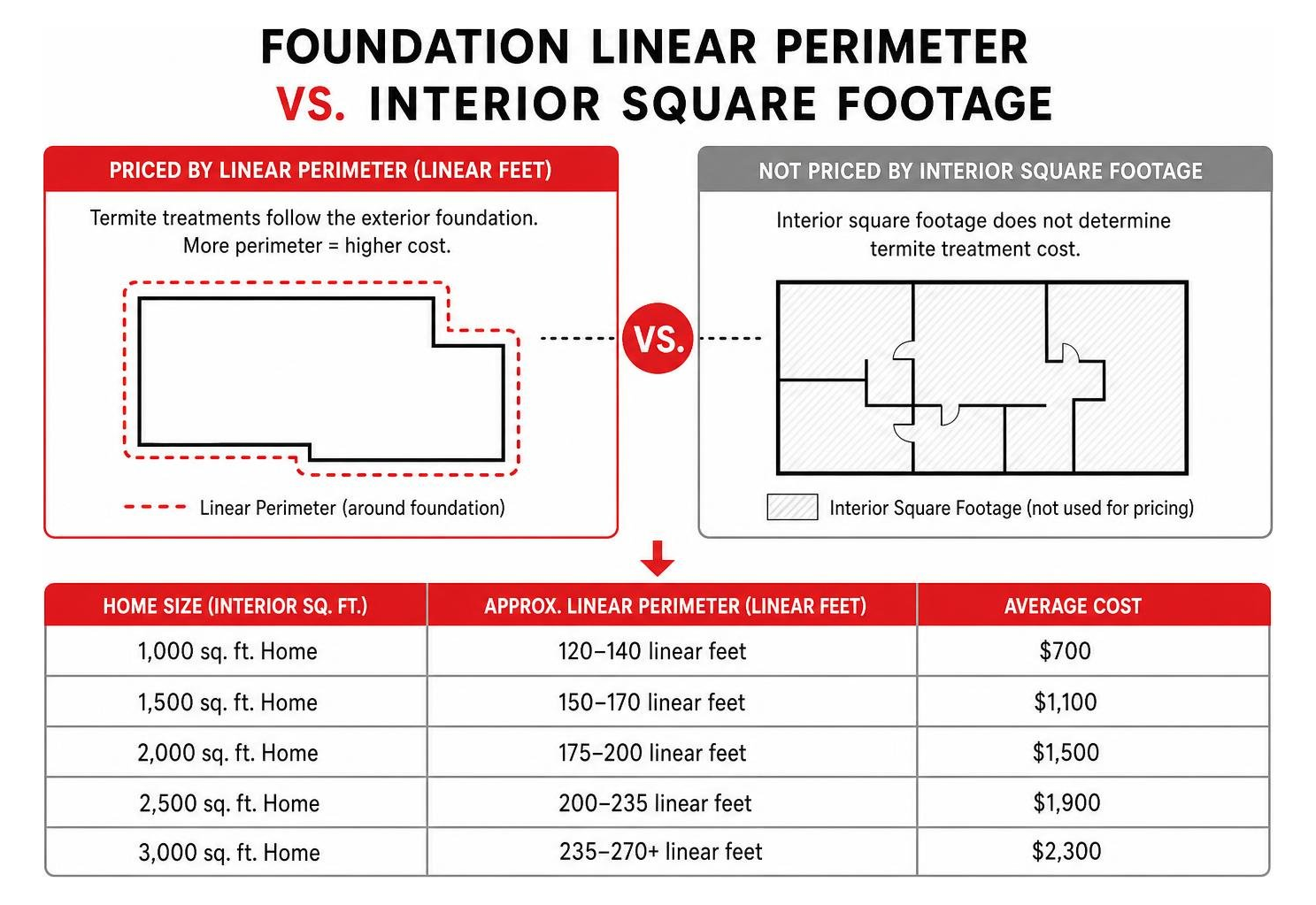
- 1,000 sq. ft. Home: Averages $700 (Approx. 120–140 linear feet)
- 1,500 sq. ft. Home: Averages $1,100 (Approx. 150–170 linear feet)
- 2,000 sq. ft. Home: Averages $1,500 (Approx. 175–200 linear feet)
- 2,500 sq. ft. Home: Averages $1,900 (Approx. 200–235 linear feet)
- 3,000 sq. ft. Home: Averages $2,300 (Approx. 235–270+ linear feet)
For comprehensive pest management across your entire property, pairing structural termite defenses with routine residential pest control solutions ensures full protection against seasonal pests while maintaining your foundation barrier.
How Infestation Severity Affects the Average Price for Termite Treatment
The extent of termite activity heavily dictates the scope of treatment required. Mild, newly established colonies caught early during routine maintenance can often be addressed before structural framing is compromised.
- Mild / Localized Infestation ($400 – $800): Early signs like exterior mud tubes along a foundation stem wall without structural penetration. These can often be resolved with targeted perimeter applications or initial bait placements.
- Moderate Colony Activity ($1,000 – $2,500): Established subterranean colonies actively exploring sill plates, subflooring, or crawlspace framing. Requires complete perimeter trenching, sub-slab injection, and interior void applications.
- Severe / Widespread Structural Infestation ($3,000 – $8,000+): Massive subterranean colonies or extensive wood-boring drywood termites that have compromised multiple load-bearing joists, wall studs, and headers. Requires comprehensive structural remediation and extensive wood repair.
Understanding these pricing drivers helps homeowners make informed decisions; additional context can be found in detailed reviews of pest control cost considerations.
Cost Breakdown by Termite Treatment Method
Termites cause over $5 billion in property damage across the United States each year. Choosing the right eradication method depends entirely on the termite species present and your home’s structural design. In North Carolina, the overwhelming majority of damage stems from Eastern subterranean termites, which live underground and build mud shelter tubes to reach structural wood.
Liquid Soil Barrier Treatments
Liquid soil barriers represent the gold standard for subterranean termite protection. Technicians dig a shallow trench along your foundation walls and apply a non-repellent liquid termiticide. Because the chemical is undetectable to the insects, foraging termites pass through it unknowingly, carrying the active ingredient back to the central subterranean colony where it spreads through social grooming and food sharing.
- Typical Investment: $1,000 to $3,500 for an average-sized home ($5 to $12 per linear foot under standard conditions).
- Longevity: Provides a continuous defensive shield for 5 to 10 years when left undisturbed by landscaping or construction.
Termite Bait Station Systems
Bait systems utilize tamper-resistant stations installed flush with the ground every 10 to 15 feet around your home’s perimeter. Inside each cylinder is a cellulose matrix containing a slow-acting insect growth regulator. Foraging termites consume the bait, return to the nest, and pass it to nestmates, preventing them from molting and systematically collapsing the entire colony.
- Initial Setup Cost: $1,200 to $3,500 depending on perimeter footage.
- Ongoing Monitoring: $300 to $500 annually for routine inspections, station cleaning, and bait cartridge replenishment.
Whole-Structure Treatment Considerations
When dealing with widespread drywood termite infestations—species that live entirely inside wooden structures rather than the soil—whole-structure treatments are sometimes required. These procedures encompass structural tenting or high-volume thermal heat applications to penetrate deep into structural timbers.
- Typical Investment: $1,500 to $5,000+, scaling from $1 to $4 per square foot.
- Operational Considerations: Structural treatments require vacating the premises for several days and removing perishables, but they provide zero residual chemical barrier once completed.
Localized Treatment Considerations
Spot treatments are targeted interventions designed to arrest activity in an isolated area, such as a detached shed, a garden retaining wall, or a single accessible sill plate.
- Typical Investment: $225 to $900.
- Limitations: While budget-friendly upfront, spot treatments leave the remainder of your home completely unprotected. Subterranean colonies frequently bypass treated zones to enter an adjacent untreated foundation wall.
Additional Termite Protection Costs, Warranties, and Insurance
Long-term protection requires considering annual fees, warranties, and regular inspections to maintain continuous coverage.
Termite Inspections and Pre-Construction Treatments
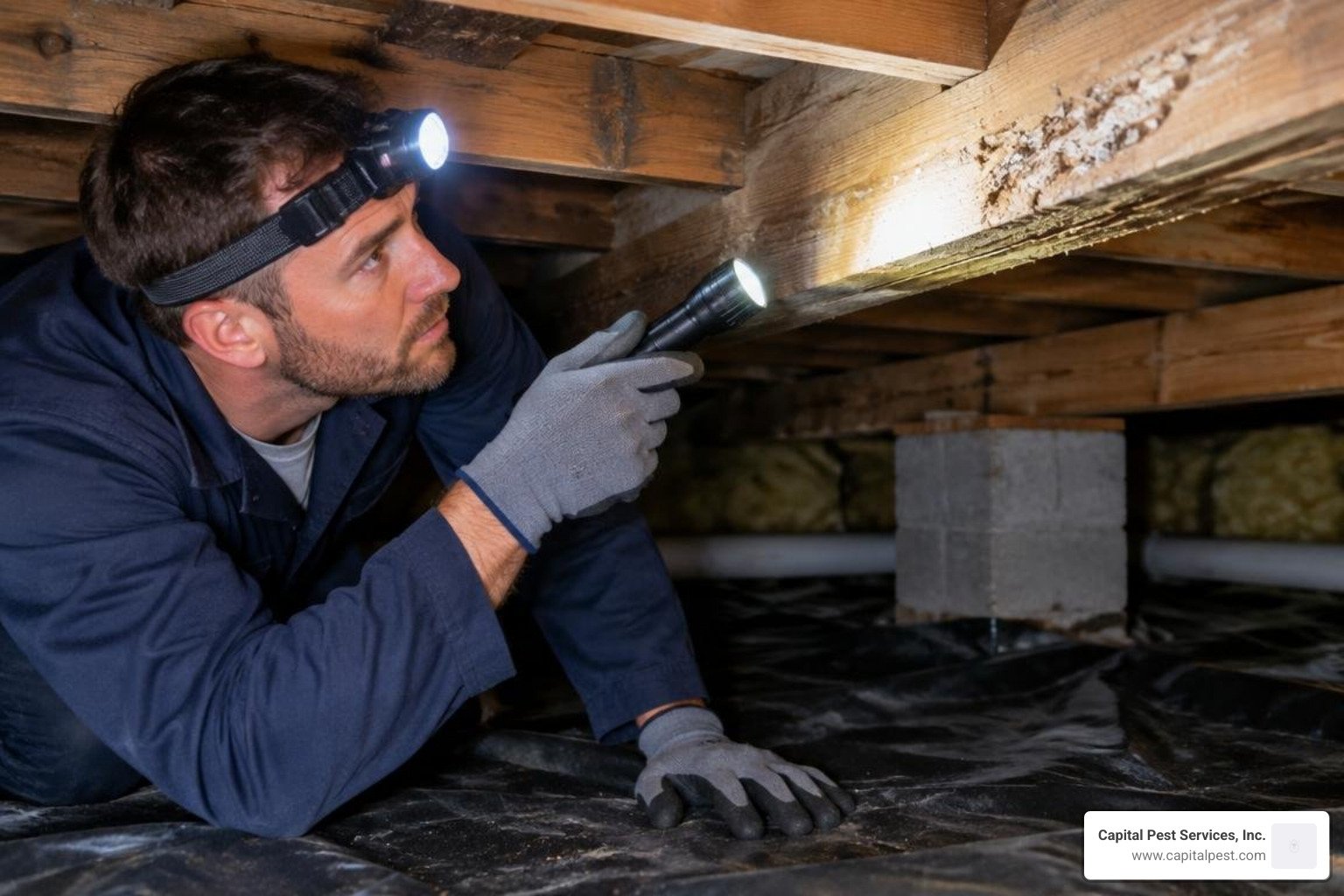
A thorough professional evaluation identifies subtle evidence of termite activity like exploratory mud tubes, discarded swarmer wings, hollowed wood, or exit holes in drywall.
- Annual Inspection Costs: $75 to $300, though many service providers include this inspection free when paired with ongoing service agreements.
- Real Estate Closing Reports (WDIR): $75 to $150 to provide official state documentation for property sales. Additional details on these transactions are covered in guides on termite inspection expenses.
When building a new home or addition, applying defensive soil barriers or borate wood treatments before the foundation is poured prevents colonies from ever gaining a foothold. Homebuilders and buyers can explore proactive termite pre-treatment services to protect new structures from day one.
Termite Bonds and Protection Plans
A termite warranty or bond functions as an ongoing service contract backed by a licensed pest control company. After initial treatment, homeowners pay an annual fee ($150 to $500 per year) that covers:
- Mandatory annual visual inspections of foundation walls, crawlspaces, and perimeter soil.
- Free retreatments if active termites reappear during the contract period.
- Qualified damage repair guarantees on select plans to cover structural restoration costs if termites breach the barrier.
Securing dedicated termite protection plans ensures your investment remains covered year after year without unexpected repair expenses.
Why Homeowners Insurance Excludes Termite Damage
A common misconception among property owners is that standard homeowners insurance policies (such as HO-3 or HO-5 forms) cover termite repairs. Insurance providers classify insect activity as preventable maintenance rather than sudden, accidental loss. Because subterranean colonies take months or years to inflict severe structural damage, insurance carriers expect homeowners to maintain proactive defenses and inspections out of pocket.
Why Professional Termite Treatment Matters
DIY perimeter sprays and over-the-counter retail bait stakes frequently fail because they utilize repellent chemistries or insufficient bait active ingredients. Repellent sprays simply divert subterranean termites to another entry crack in your foundation slab, while consumer bait kits carry low real-world success rates (often 20% to 40%) compared to commercial-grade installations that exceed 90% efficacy.
Professional pest control operators bring specialized equipment, such as high-volume sub-slab injection rods, calibration equipment, and non-repellent transfer chemistry. More importantly, licensed technicians are trained to identify hidden structural risk factors—like high soil grades, crawlspace moisture issues, and plumbing penetrations—ensuring treatments establish an unbroken protective boundary around your entire foundation.
Frequently Asked Questions About Termite Treatment Costs
How long does a professional termite treatment last?
A professionally installed non-repellent liquid soil barrier (using advanced chemistry like Termidor) maintains active residual protection in the soil for 5 to 10 years, provided the soil perimeter remains undisturbed by trenching, digging, or grading. Ground-based bait station systems offer indefinite protection as long as the annual contract is maintained, ensuring stations are checked and replenished regularly.
What is the difference between linear foot and square foot pricing?
Linear foot pricing measures the physical perimeter distance around the exterior foundation of your home. It directly reflects the labor, trenching, drilling, and chemical volume needed to create an unbroken barrier against subterranean termites. Square foot pricing measures the total floor area or cubic volume inside the home, which is typically applied only to whole-structure fumigation or interior heat treatments for drywood termites.
What questions should I ask when comparing termite quotes?
When evaluating estimates from different providers, ensure you ask:
- What specific termite species was identified during the inspection?
- Exactly which treatment method and brand-name product will be applied?
- Does the quote outline linear footage measurements for soil or bait placement?
- What does the warranty cover—is it retreatment-only, or does it include structural damage repair?
- What is the annual renewal cost to keep the warranty active?
- Is the company fully licensed, insured, and accredited by the National Pest Management Association (NPMA)?
Conclusion: Protecting Your Home Investment
Termites work silently around the clock, chewing through wood framing and compromising structural integrity before noticeable warning signs appear indoors. Investing in proactive protection costs a fraction of the tens of thousands of dollars required to rebuild load-bearing sills, floor joists, and stud walls damaged by established colonies.
At Capital Pest Services, Inc., we provide homeowners across Raleigh, Durham, Cary, Chapel Hill, Wake Forest, Apex, and surrounding Triangle communities with reliable, long-lasting termite defense. As an NPA-accredited, locally owned provider, our integrated pest management solutions combine thorough structural inspections, eco-friendly treatment applications, and clear warranties to keep your property protected. Schedule an inspection with our team for professional termite control services today.
Capital Pest is proud to be a family-owned and operated pest control company serving Raleigh, NC and its surrounding area (Chapel Hill, Wake Forest, Clayton, Pinehurst, Pittsboro, Fuquay-Varina, etc). Contact us for our pest control services today!