

Finding Reliable Rat Removal Near You Without Overpaying
Find a Reliable Rat Removal Service Near You
To find a reliable rat removal service near me, choose a local, licensed provider that does more than set traps. Ask whether the service includes a full inspection, removal plan, sealing of entry points, follow-up monitoring, and clear written pricing. A good provider should explain how rats got in, what will keep them out, and how treatment will be handled safely around children and pets.
Rats can enter through openings about the size of a quarter. Once inside, they may chew wiring, damage insulation, contaminate stored items, and leave droppings and urine in attics, crawl spaces, walls, and garages. Quick removal matters, but exclusion work is what helps stop the next infestation. According to the National Pest Management Association, rodents are among the most common and destructive home-invading pests in the United States.
For Raleigh-Durham homeowners, compare the scope of service – not just the first price you hear. Ask for details about inspections, trap or bait use, cleanup guidance, repairs, and any ongoing protection options. You can also review Capital Pest Services pest control plans to understand available coverage.
I’m Mitch Taylor, President of Capital Pest Services, Inc., with more than 17 years in the pest-management industry serving the Triangle. When homeowners search for a rat removal service near me, my focus is on practical, integrated solutions that remove active rodents and address the conditions that let them return.
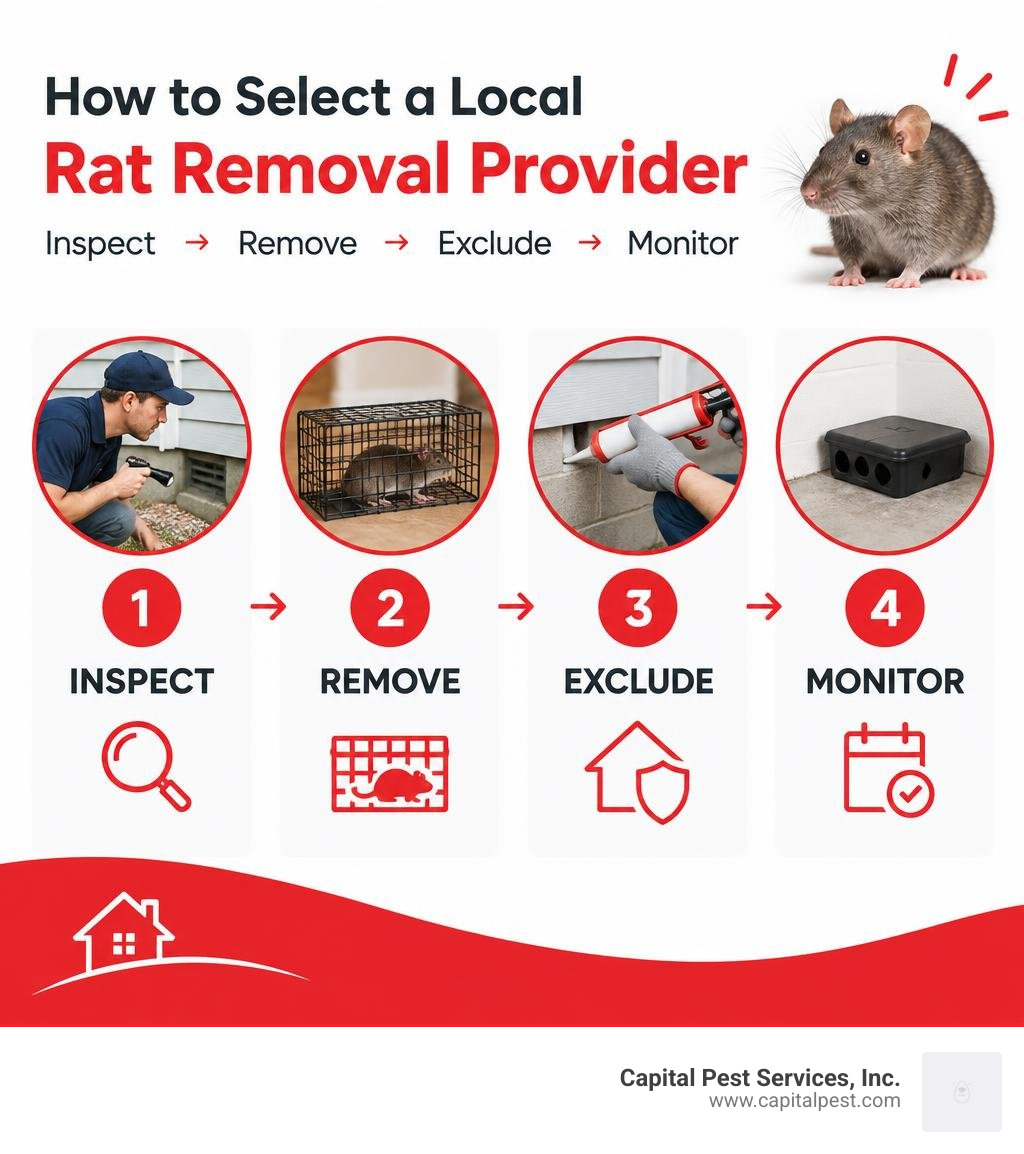
How to Choose the Best Rat Removal Service Near Me
When you discover signs of rodents scurrying through your crawlspace or chewing through drywall, finding the right company quickly is top of mind. However, picking the very first contractor listed online without vetting them can lead to recurring infestations and wasted money.
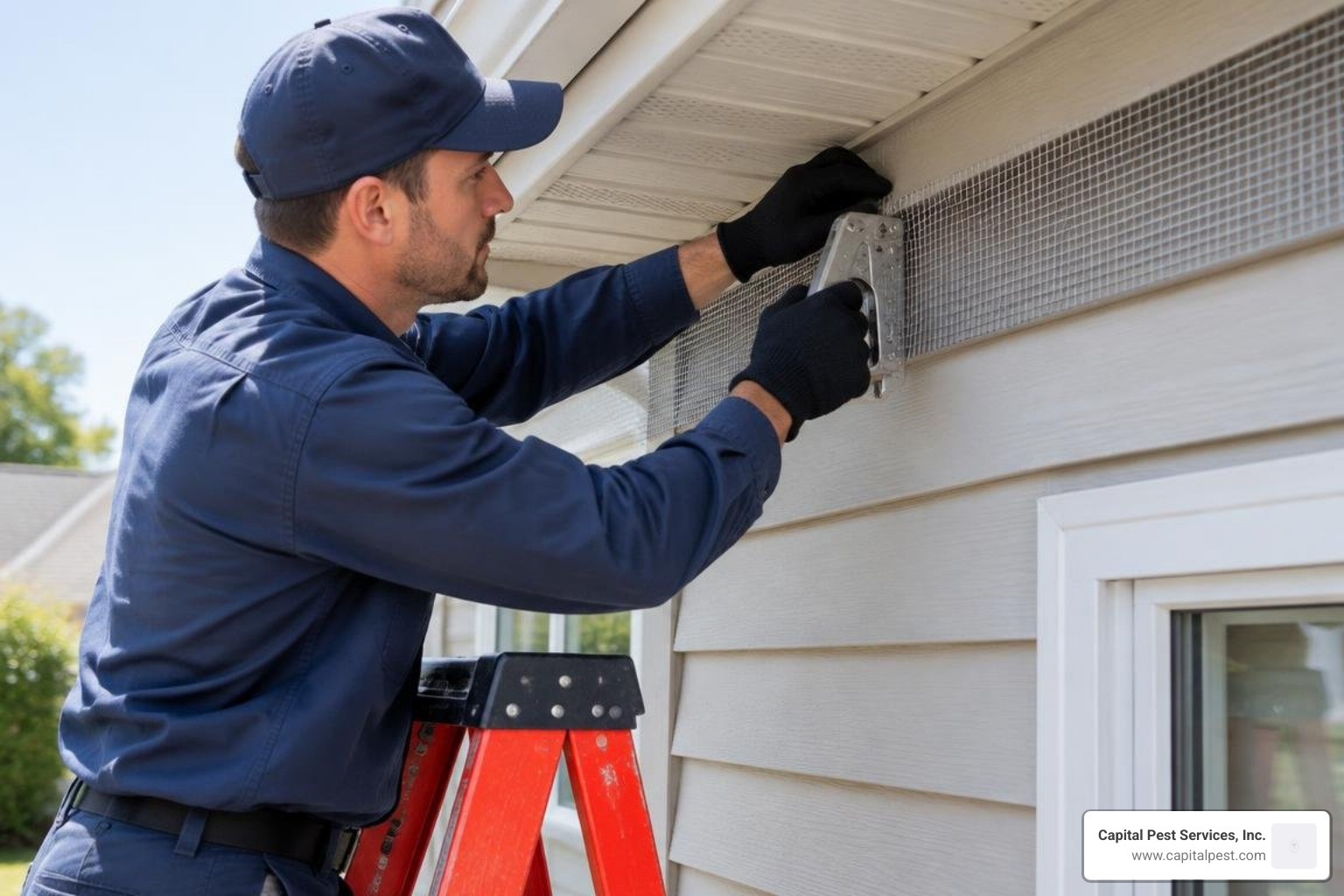
To ensure you are hiring an expert team that delivers permanent results, evaluate these key criteria:
- Licensing and Insurance: Ensure the company holds active state licensing for structural pest control and carries comprehensive general liability and workers’ compensation insurance.
- Integrated Pest Management (IPM) Approach: Reliable technicians focus on long-term environmental reduction, entry point sealing, and safe mechanical trapping rather than relying solely on chemical sprays.
- Warranty and Follow-Up Guarantees: A dependable rodent service stands behind its structural work. Look for re-treatment guarantees if activity persists after the initial exclusion.
- Local Reputation: Check verified community feedback and reviews across Raleigh, Durham, Cary, and Chapel Hill to gauge real customer experiences and reliability.
Exterminator vs. Wildlife Specialist: What to Ask a Rat Removal Service Near Me
Understanding the difference between a traditional exterminator and a specialized rodent control team helps you choose the right solution for your home. Traditional exterminators often focus primarily on chemical treatments and broadcast baiting. While this may reduce the active population temporarily, it leaves entry gaps open for new rodents to move right in.
In contrast, our team specializing in professional residential pest control utilizes an Integrated Pest Management framework. This combines humane trapping, strategic population management, and critical structural repairs.
When interviewing prospective contractors, ask these essential questions:
- Do you perform physical exclusion work to seal entry points, or do you only set traps?
- What specific materials do you use to close exterior gaps?
- Are the removal methods and bait placements pet- and child-safe?
- How many follow-up visits are included to monitor traps and confirm total elimination?
What to Expect During an On-Site Professional Inspection
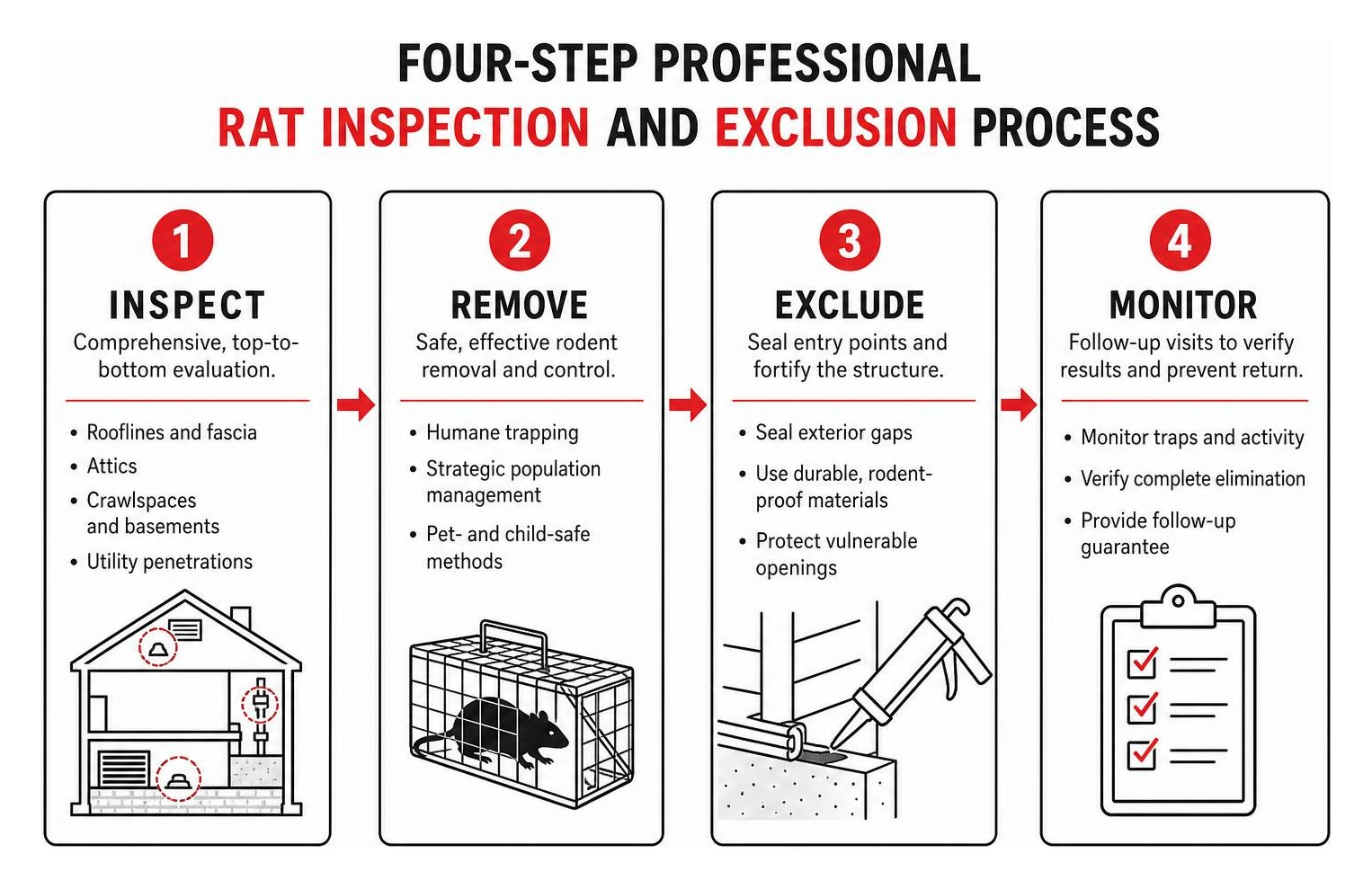
A proper rodent service begins with a comprehensive, top-to-bottom on-site evaluation. Rodents are secretive creatures that travel through hidden architectural pathways.
During our thorough inspection process, technicians systematically evaluate:
- Rooflines and Fascia: Checking roof intersections, soffit vents, and ridge caps for chewing damage and entry gaps.
- Attics: Examining blown-in or batt insulation for runways, nesting cavities, chewed electrical cables, and droppings.
- Crawlspaces and Basements: Inspecting foundation vents, sill plates, and vapor barriers for burrowing and grease marks.
- Utility Penetrations: Mapping exterior gaps around HVAC lines, plumbing pipes, electrical conduit, and gas meters.
Understanding Rat Removal Costs and Pricing Factors
The total investment required to eliminate rats varies based on infestation severity, the physical size of your home, and the extent of structural repairs needed. Trapping alone generally incurs a lower initial fee, whereas complete exclusion and insulation remediation require more extensive labor and materials.
| Service Type | Scope of Work | Estimated Average Cost Range |
|---|---|---|
| Initial Rodent Inspection | Comprehensive attic, roofline, crawlspace, and perimeter assessment | $100 – $200 (often credited toward service) |
| Standard Trapping & Removal | Strategic trap placement, monitoring, and rodent carcass retrieval | $200 – $600 (Average: ~$342 – $400) |
| Structural Exclusion Services | Sealing gaps, installing mesh over vents, repairing flashing | $430 – $1,300+ (depending on entry points) |
| Attic Remediation & Sanitization | Removing contaminated insulation, disinfecting, deodorizing | $1,000 – $3,000+ (severity dependent) |
| Ongoing Pest Protection Plans | Year-round exterior defense, routine inspections, interior warranty | $35 – $85 / month (or $400 – $900 / year) |
Key Cost Factors: Infestation Severity, Trapping, and Cleanup
Several key variables dictate the final cost of eliminating a rodent problem:
- Infestation Size: Established colonies with multiple nesting sites require extended trapping schedules and more labor hours.
- Structural Vulnerabilities: Homes with multiple architectural gaps, rotted eaves, or open crawlspace vents require extensive exclusion materials and carpentry work.
- Insulation and Biohazard Damage: Severe infestations leave behind urine-soaked insulation and biohazard waste that necessitate safe removal, HEPA-vacuuming, and surface sanitization.
- Electrical Repairs: Chewed wiring poses serious fire hazards and requires evaluation to ensure structural safety.
Comparing One-Time Removal Costs to Ongoing Pest Protection Plans
A one-time emergency trapping visit may remove active rodents currently in your living areas, but it doesn’t protect against neighboring rodent pressure throughout the seasons. Investing in comprehensive pest control plans provides continuous exterior monitoring, preventive maintenance, and covered return visits. This proactive strategy prevents minor pest entries from turning into expensive structural repairs down the line.
Key Signs of Rat Activity and Associated Health Hazards
Catching rodent activity early significantly limits property damage and reduces health risks. Because rats are nocturnal, you are far more likely to notice the physical evidence they leave behind before you ever spot a live animal.
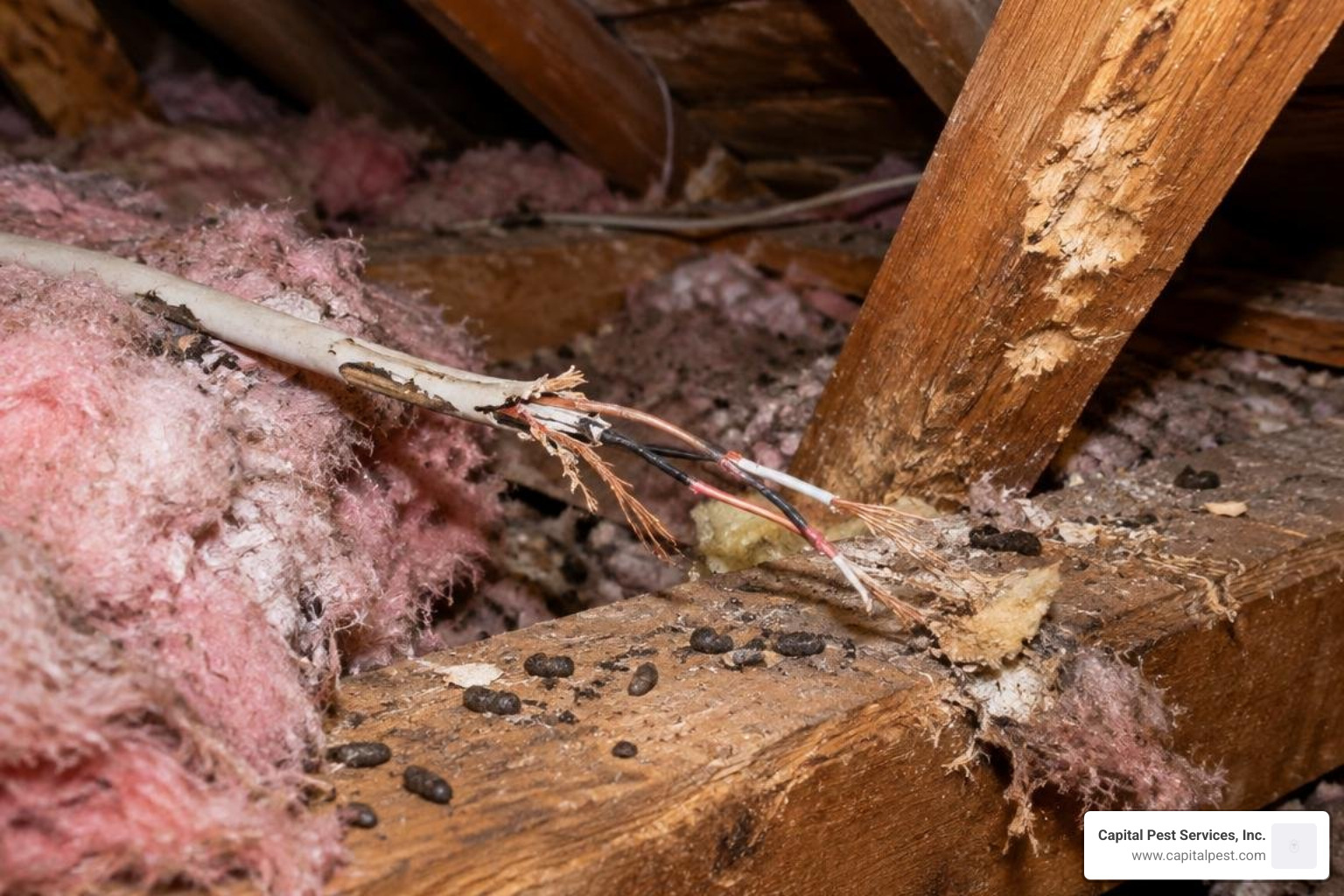
Look for these unmistakable warning signs:
- Nocturnal Sounds: Scratching, scurrying, or squeaking noises inside wall voids, ceilings, or attics late at night.
- Droppings: Dark, cylindrical pellets with blunt or pointed ends found along baseboards, near food pantries, or in attic insulation.
- Grease Rub Marks: Dark oily smudges left along walls, baseboards, and rafters caused by dirt and oils in rodent fur.
- Gnawing Damage: Fresh tooth marks on structural studs, floor joists, plastic PVC pipes, and electrical wiring.
- Musty Odor: A distinct, pungent ammonia smell produced by rodent urine and pheromones concentrated in poorly ventilated spaces.
Identifying Rat Activity in Attics, Walls, and Crawl Spaces
Different rat species display distinct nesting and foraging behaviors:
- Roof Rats (Rattus rattus): Sleek, agile climbers that prefer high locations. They commonly enter through roof eaves, unsealed attic vents, and tree branches touching the roofline, establishing nests in warm attic insulation.
- Norway Rats (Rattus norvegicus): Larger, heavier burrowers that typically target crawlspaces, basements, building perimeters, and foundation voids. They gnaw at lower siding, floor registers, and ground-level utility lines.
Health Risks and Safe Cleanup Protocols for Rodent Waste
Rodents carry numerous dangerous pathogens and parasites. Their droppings, urine, and saliva can transmit diseases such as Hantavirus Pulmonary Syndrome, Leptospirosis, Salmonellosis, and Rat-Bite Fever. Dried urine and feces can also trigger severe asthma attacks and allergic reactions.
When cleaning areas contaminated by rodent waste, never sweep or vacuum dry droppings, as this aerosolizes infectious particles into the breathing zone.
Follow these safe cleanup steps:
- Ventilate: Open windows and doors for at least 20 to 30 minutes before cleaning enclosed areas.
- Wear Personal Protective Equipment (PPE): Put on non-porous rubber or nitrile gloves and an N95 or HEPA-rated respirator mask.
- Disinfect with a Wet Solution: Thoroughly spray droppings, urine stains, and nesting debris with an EPA-registered disinfectant or a bleach solution mixed at 1 part household bleach to 9 parts water. Let it soak for 10 minutes.
- Wipe Down: Pick up the saturated debris using disposable paper towels and place them directly into heavy-duty plastic bags.
- Double-Bag and Dispose: Seal the waste securely in double bags and wash your hands thoroughly with soap and water after removing gloves.
Effective Rat Control Methods: Exclusion, Trapping, and Prevention
Effective rodent control requires a multi-tiered strategy. Relying on a single control method rarely provides complete, permanent relief.
Why Structural Exclusion Is Critical for Long-Term Control
Exclusion is the foundation of long-term rat management. Adult rats can squeeze their bodies through openings as small as a quarter (approximately 20–25 mm), while mice can fit through holes the size of a dime.
To permanently block rodent travel routes, our technicians employ industrial-grade exclusion materials:
- 1/4-Inch Galvanized Hardware Cloth: Heavy-gauge steel mesh installed over foundation crawlspace vents, soffit openings, and roof louvers that rats cannot chew through.
- Stainless Steel Wool and Copper Mesh: Packed tightly into utility wall penetrations and gaps around exterior plumbing lines before being anchored with non-shrink sealant.
- Heavy-Duty Commercial Door Sweeps: Metal-backed weather stripping installed along exterior garage doors and entryway thresholds to eliminate bottom gaps.
For properties experiencing persistent intrusion, our targeted rodent control services combine precision exclusion with active trapping to ensure rodents are completely removed and barred from returning.
Snap Traps vs. Bait Stations: Pros, Cons, and Safety
Choosing the right removal tool depends on whether work is being performed indoors or outdoors.
-
Mechanical Snap Traps (Preferred Indoors):
- Pros: Delivers immediate, humane kills; allows technicians to confirm capture and remove the carcass immediately, preventing dead rodent odors inside wall voids.
- Cons: Requires precise placement along active travel runways and routine daily monitoring.
- Best Practice: Pre-bait unset traps with peanut butter for several days so rodents lose their natural caution (neophobia) before setting the triggers.
-
Tamper-Resistant Exterior Bait Stations (Outdoors Only):
- Pros: Protects perimeter boundaries and reduces high rodent pressure before pests can access the building envelope.
- Cons: Rodenticides carry risks of secondary poisoning to non-target predatory wildlife (like owls and hawks) or domestic pets if used improperly.
- Safety Rule: Rodenticides must always be secured inside locked, tamper-resistant stations placed strictly along exterior foundation perimeters.
Property Sanitation and Habitat Reduction Tips
Rats invade residential properties because they find reliable food, water, and shelter. Reducing these attractants makes your property significantly less inviting:
- Garbage Containerization: Store household waste in heavy-duty, tightly sealed plastic or metal trash cans.
- Pet Food Management: Never leave pet food bowls outside overnight; store bulk dry food in airtight plastic containers.
- Vegetation Management: Trim tree branches, dense shrubs, and climbing ivy at least 4 feet away from rooflines, eaves, and exterior siding.
- Eliminate Ground Clutter: Stack firewood piles at least 18 inches off the ground and 20 feet away from the home’s foundation to remove natural nesting harborage.
- Moisture Control: Repair leaking outdoor spigots, clear clogged gutters, and ensure crawlspace humidity is properly controlled.
Frequently Asked Questions About Rat Removal
How quickly can a rat removal service near me resolve an infestation?
A standard residential rat infestation is typically resolved within 1 to 3 weeks. The initial structural exclusion and trap installation take place on day one, followed by multiple service visits over the subsequent 10 to 14 days to clear traps, monitor runways, and confirm that no new activity remains inside the structure.
Can rats enter through small foundation cracks and roof vents?
Yes. Rats have flexible skeletal structures and powerful jaw muscles. An adult rat can enter any structural opening the size of a quarter (approximately 1 inch in diameter) and will aggressively chew through plastic, wood, vinyl, and soft mortar to enlarge small gaps around plumbing pipes, crawlspace vents, and roof flashing.
Is it safe to clean up rat droppings with a household vacuum?
No, never use a standard household vacuum cleaner or broom to clean rat droppings. Vacuum exhausts and sweeping brooms launch dried viral particles and bacteria directly into the surrounding air, increasing the risk of inhaling airborne pathogens like Hantavirus. Always use a wet disinfection method with an EPA-registered disinfectant or a 9:1 water-to-bleach mixture while wearing protective gloves and an N95 mask.
Conclusion
A rodent infestation poses genuine risks to your property’s structural integrity, electrical wiring, and your family’s health. While store-bought traps offer temporary relief, achieving permanent results requires an integrated approach that pairs complete removal with structural exclusion.
At Capital Pest Services, Inc., we deliver customized rodent management tailored specifically to properties across Raleigh, Durham, Cary, Chapel Hill, Wake Forest, Apex, Morrisville, Holly Springs, and surrounding communities. Our licensed technicians locate entry points, humanely eliminate active pests, seal vulnerable access gaps, and provide dependable long-term protection.
If you hear scratching in your walls or suspect rodent activity, schedule a comprehensive inspection with our trusted pest control near me team today. Let our experienced specialists protect your home and restore your peace of mind.
Capital Pest is proud to be a family-owned and operated pest control company serving Raleigh, NC and its surrounding area (Chapel Hill, Wake Forest, Clayton, Pinehurst, Pittsboro, Fuquay-Varina, etc). Contact us for our pest control services today!