Cockroach Pest Control Price Breakdown by Infestation Size
What Roach Extermination Costs Depend On
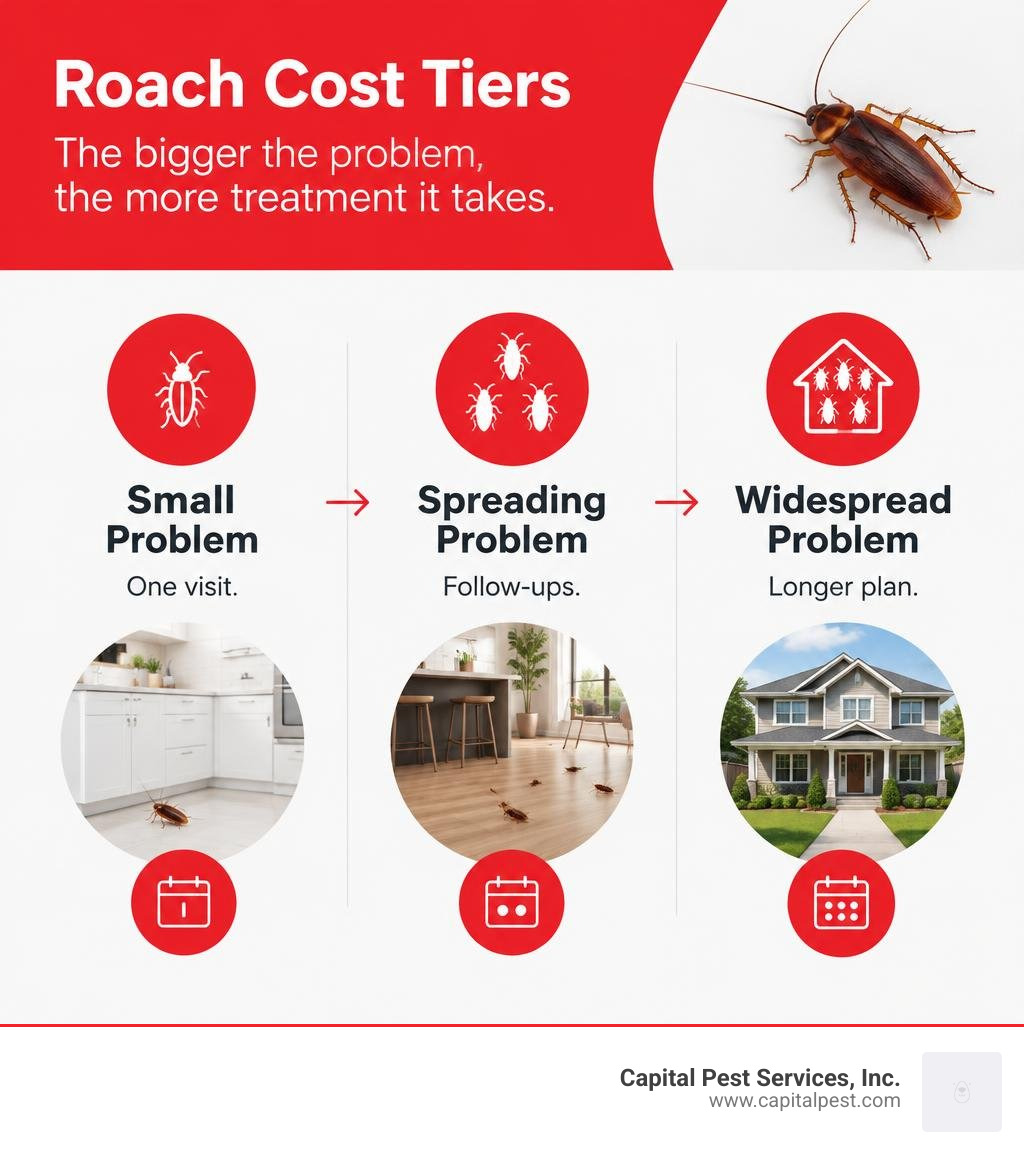
Across the country in 2026, the average price for roach extermination typically ranges from $100 to $600, with a national median baseline hovering around $160 to $200. A small, early infestation may need one visit, while roaches in several rooms may need follow-up treatments. To estimate your cost in the Raleigh-Durham area, review Capital Pest Services’ pest control plans and request a quote based on the roach species, where they’re active, and the size of your home. National averages can help you budget, but they cannot tell you what your home needs.
I’m Mitch Taylor, President of Capital Pest Services, Inc. For more than 17 years, I’ve helped Triangle homeowners understand what affects the average price for roach extermination and choose a practical treatment plan.
Important average price for roach extermination terms:
What Is the Average Price for Roach Extermination in 2026?
Across the country in 2026, the standard cost to hire a professional cockroach exterminator ranges from $100 to $600, with a national median baseline hovering around $160 to $200. For emergency callouts, immediate same-day dispatches, or heavy cleanouts, costs climb quickly beyond basic baseline rates.
Understanding where your home falls on this spectrum comes down to the scale of the problem. A single wanderer in the laundry room demands a vastly different protocol than an entrenched breeding colony nesting behind your kitchen appliances.
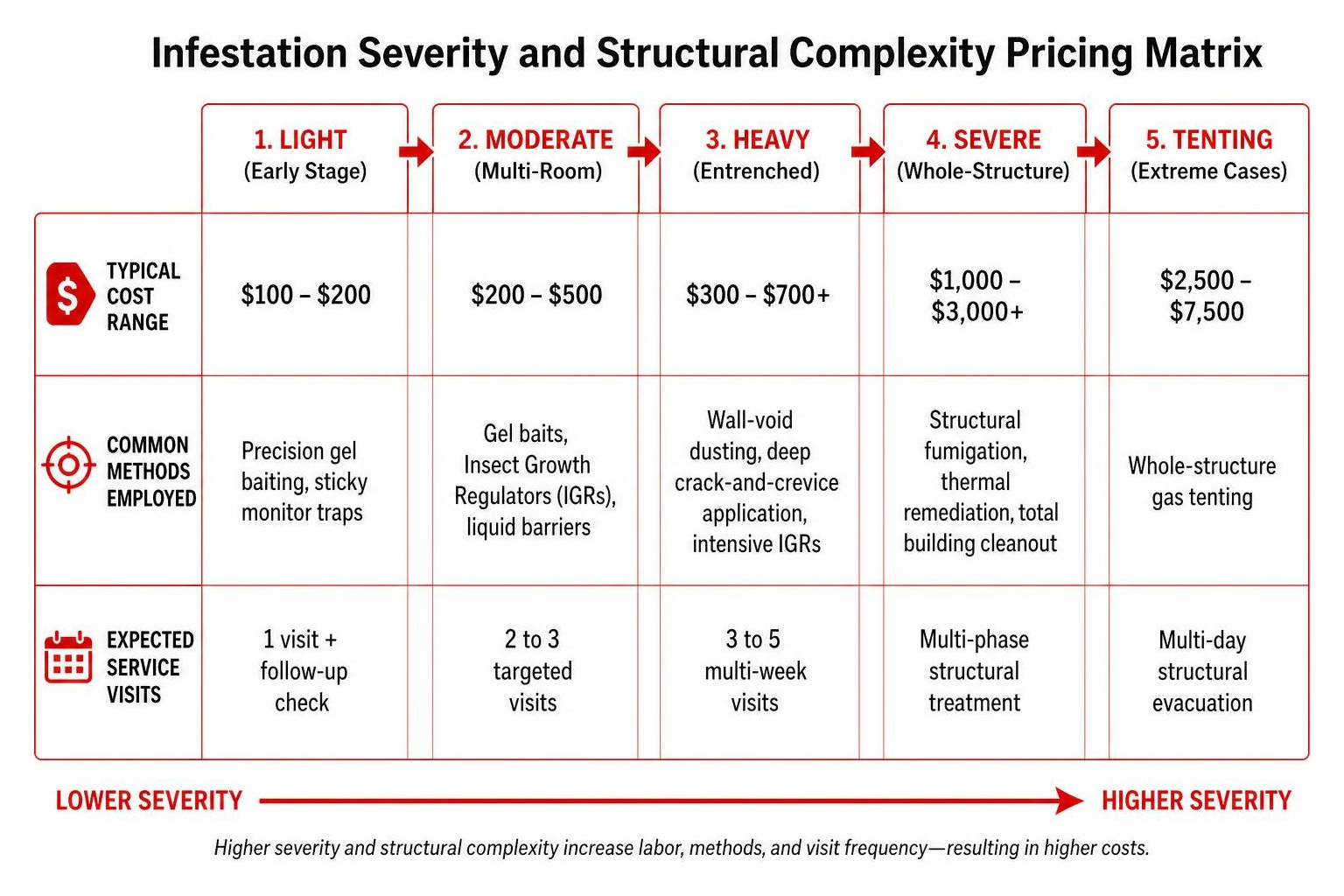
| Infestation Severity | Typical Cost Range | Common Methods Employed | Expected Service Visits |
|---|---|---|---|
| Light (Early Stage) | $100 – $200 | Precision gel baiting, sticky monitor traps | 1 visit + follow-up check |
| Moderate (Multi-Room) | $200 – $500 | Gel baits, Insect Growth Regulators (IGRs), liquid barriers | 2 to 3 targeted visits |
| Heavy (Entrenched) | $300 – $700+ | Wall-void dusting, deep crack-and-crevice application, intensive IGRs | 3 to 5 multi-week visits |
| Severe / Whole-Structure | $1,000 – $3,000+ | Structural fumigation, thermal remediation, total building cleanout | Multi-phase structural treatment |
| Tenting (Extreme Cases) | $2,500 – $7,500 | Whole-structure gas tenting | Multi-day structural evacuation |
Cost by Infestation Severity: Light, Moderate, Severe, and Full Building
The size and depth of the infestation directly dictate the labor, chemical products, and visit frequency required.
- Minor Activity ($100 – $200): Early-stage pest activity usually involves sporadic sightings, often localized to a single drain or pantry shelf. A targeted application of professional gel bait and placement of monitoring boards is often enough to resolve the issue quickly.
- Moderate Infestations ($200 – $500): When roaches are regularly spotted in kitchens and bathrooms, multiple breeding cycles have taken root. Eradication requires paired applications of bait, liquid barrier treatments, and Insect Growth Regulators (IGRs) to disrupt reproduction.
- Heavy Activity ($300 – $700+): When roaches are seen during daylight hours, populations have outgrown their dark harborages. Getting rid of heavy colonies requires deep crack-and-crevice treatments, void dusting behind cabinetry, and multiple follow-up visits. Using top-rated pest control solutions to clear out cockroaches for good helps stop these populations before structural remediation becomes necessary.
- Severe Structural Fumigation & Tenting ($1,000 – $7,500): When German roaches take over multi-unit structures or deep internal wall systems, whole-home fumigation or structural tenting is the last resort. These methods demand intensive prep, specialized equipment, and temporary relocation of all residents.
Factors Influencing the Average Price for Roach Extermination
No two infestations are identical. Pricing varies based on biological, structural, and environmental factors:
- Species Identification: A standard American cockroach entering from outdoors requires a very different strategy than an indoor German cockroach infestation. German roaches reproduce at alarming rates—a single female and her offspring can produce tens of thousands of descendants within a single year. Species biology drives service pricing upward because faster reproduction demands more intensive treatment protocols.
- Harborage Access: Homes with deep wall voids, complex plumbing chases, or older subflooring require specialized equipment, such as void injection dusters, adding $100 to $400 in labor and materials.
- Property Size and Clutter: Larger square footage requires more bait placements and perimeter treatments. Excessive clutter provides limitless hiding spots, increasing the inspection and treatment time.
Roach Extermination Pricing by Treatment Method and Scope
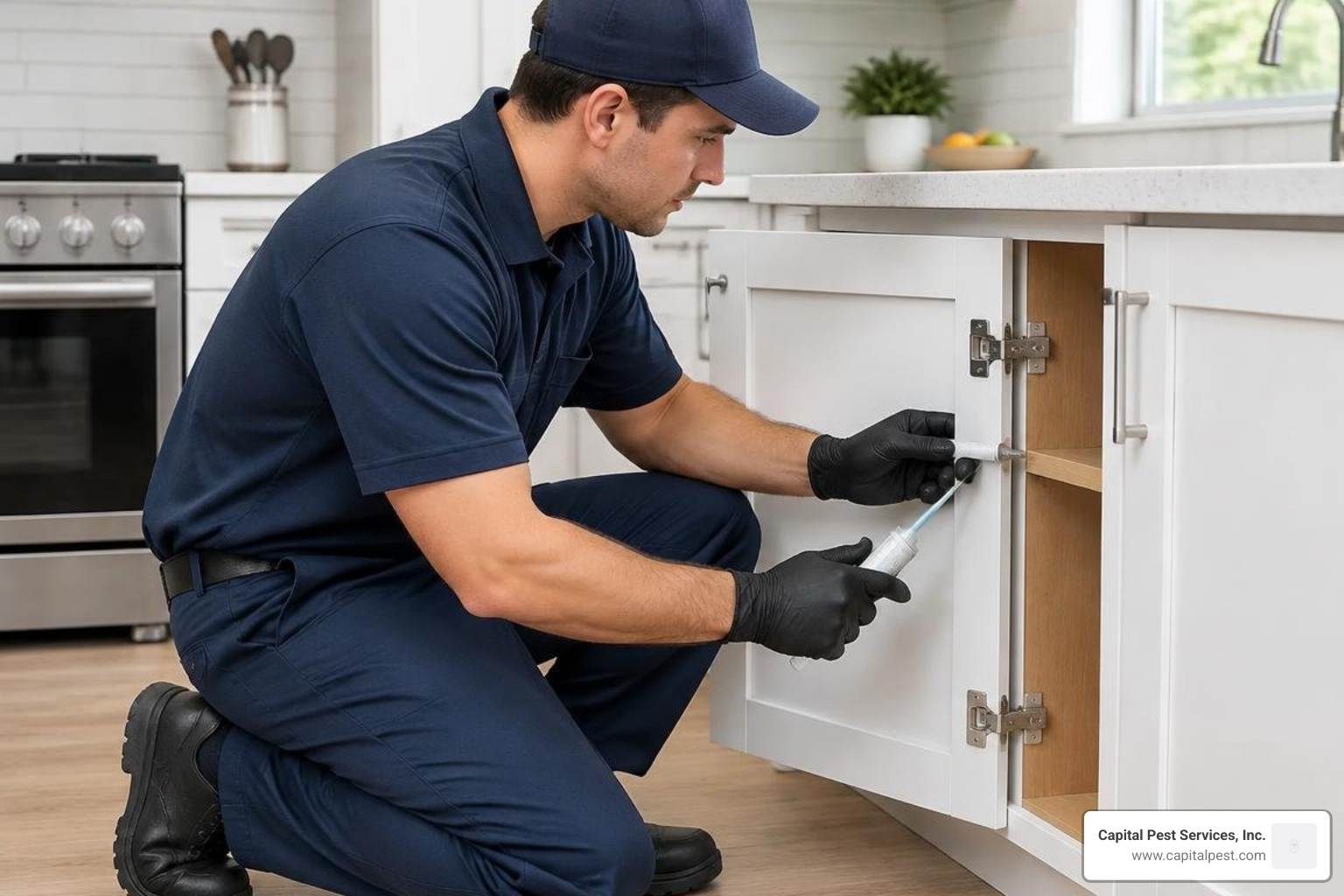
Modern pest management uses Integrated Pest Management (IPM), combining targeted treatments, mechanical exclusion, and habitat modification. The tools your technician uses will shape the overall cost of the service.
| Treatment Method | Typical Cost Range | Primary Application Scenario | Speed of Control |
|---|---|---|---|
| Precision Gel Baiting | $100 – $600 | Kitchens, pantries, localized nesting zones | 1 to 3 weeks (transferred through colony) |
| Perimeter Barrier Sprays | $90 – $250 | Foundation perimeters, entry doorways, crawl spaces | Immediate knockdown on contact |
| Wall-Void Dusting | $100 – $400 | Behind drywall, outlet boxes, under baseboards | Long-lasting residual protection (months) |
| Insect Growth Regulators (IGR) | Included in plans / $50–$100 add-on | Widespread breeding populations | Prevents nymphs from maturing into adults |
| Whole-Home Fumigation | $1,000 – $3,000+ | Uncontrolled, multi-room infestations | Total eradication in 24 to 48 hours |
Professional Treatment Techniques and Their Costs
- Gel Baiting ($100 – $600): Highly attractive bait matrices are placed in discrete spots near feeding pathways. Roaches consume the bait, return to their harborage, and pass the active ingredient to other roaches through contact and waste sharing.
- Insect Growth Regulators (IGRs): IGRs mimic juvenile hormones, preventing young roaches from shedding their exoskeletons or developing reproductive organs. This breaks the breeding cycle permanently.
- Wall-Void Dusting ($100 – $400): Using specialized bulb or electric dusters, technicians inject non-repellent dusts (such as silica or boric formulations) into drywall cavities and sub-cabinet voids. These dusts cling to roach carapaces and provide long-lasting protection.
- Targeted Barrier Sprays: Residual liquid applications along baseboards, entry points, and plumbing penetrations create invisible defense zones. Following proven steps to eliminate cockroach infestations ensures these applications target active travel corridors rather than scattering the insects deeper into living spaces.
Single-Visit vs. Multi-Visit and Recurring Service Plans
A single-visit treatment might seem appealing for your budget, but it rarely solves an established indoor cockroach problem. Cockroach egg cases (oothecae) are impervious to most standard insecticides. Once those eggs hatch 14 to 28 days later, a fresh generation emerges if no residual product or follow-up service is in place.
- Single-Visit Treatments ($150 – $300): Best suited for accidental outdoor invaders like the American or smokybrown cockroach that wander inside searching for moisture.
- Multi-Visit Cleanout Programs ($200 – $500 total): The standard for German roaches. Includes an initial deep cleanout followed by mandatory reinspections at two- to three-week intervals to eliminate newly hatched nymphs.
- Recurring Preventative Plans ($400 – $700 annually or $50 – $95 monthly): Provides year-round protection across all seasons. Regular maintenance stops roach populations from returning and covers other common household pests under a single warranty.
Property Type and Legal Responsibilities

The layout of your home significantly influences how pests move, how treatments are applied, and who is responsible for paying the bill.
How Property Size and Type Affect the Average Price for Roach Extermination
- Apartments and Condos (Under 1,000 sq ft): While smaller in physical footprint, multi-family units share wall plumbing, electrical conduits, and trash chutes. Treating one apartment often requires inspecting neighboring units to prevent pests from simply migrating through shared walls.
- Single-Family Residences (1,500 – 3,500+ sq ft): Standalone homes have larger exterior perimeters, crawl spaces, attics, and attached garages. Comprehensive treatments require more product volume and extensive perimeter barriers. In regions prone to large outdoor species, implementing targeted North Carolina American roach management strategies is key to keeping these perimeter pests out of crawl spaces and living areas.
- Commercial Kitchens and Dining Facilities ($150 – $500+ per month): Restaurants and food service spaces face strict health regulations and continuous moisture, grease, and food shipments. They require monthly or bi-weekly IPM services to protect customer health and maintain sanitation standards.
Tenant vs. Landlord: Who Pays for Roach Extermination?
Payment responsibility in rental properties depends on local housing laws, lease language, and infestation timing:
- The Implied Warranty of Habitability: In most jurisdictions, landlords are legally required to provide safe, sanitary, and habitable housing. If an infestation is present at move-in or stems from structural flaws (like leaky plumbing or gaps around utility lines), the property owner is generally responsible for extermination costs.
- Tenant Responsibilities: If an infestation is caused by poor sanitation, improper trash disposal, or unaddressed food waste within a specific unit, the landlord may hold the tenant financially responsible for treatment.
- Multi-Unit Buildings: When roaches appear in several units simultaneously, building management must coordinate and pay for whole-building treatments, as isolated unit sprays will only move the insects from one apartment to another.
Early Detection, DIY vs. Professional Costs, and Quote Red Flags
Catching an infestation early can save you hundreds of dollars in multi-visit cleanouts. Watch for early warning signs:
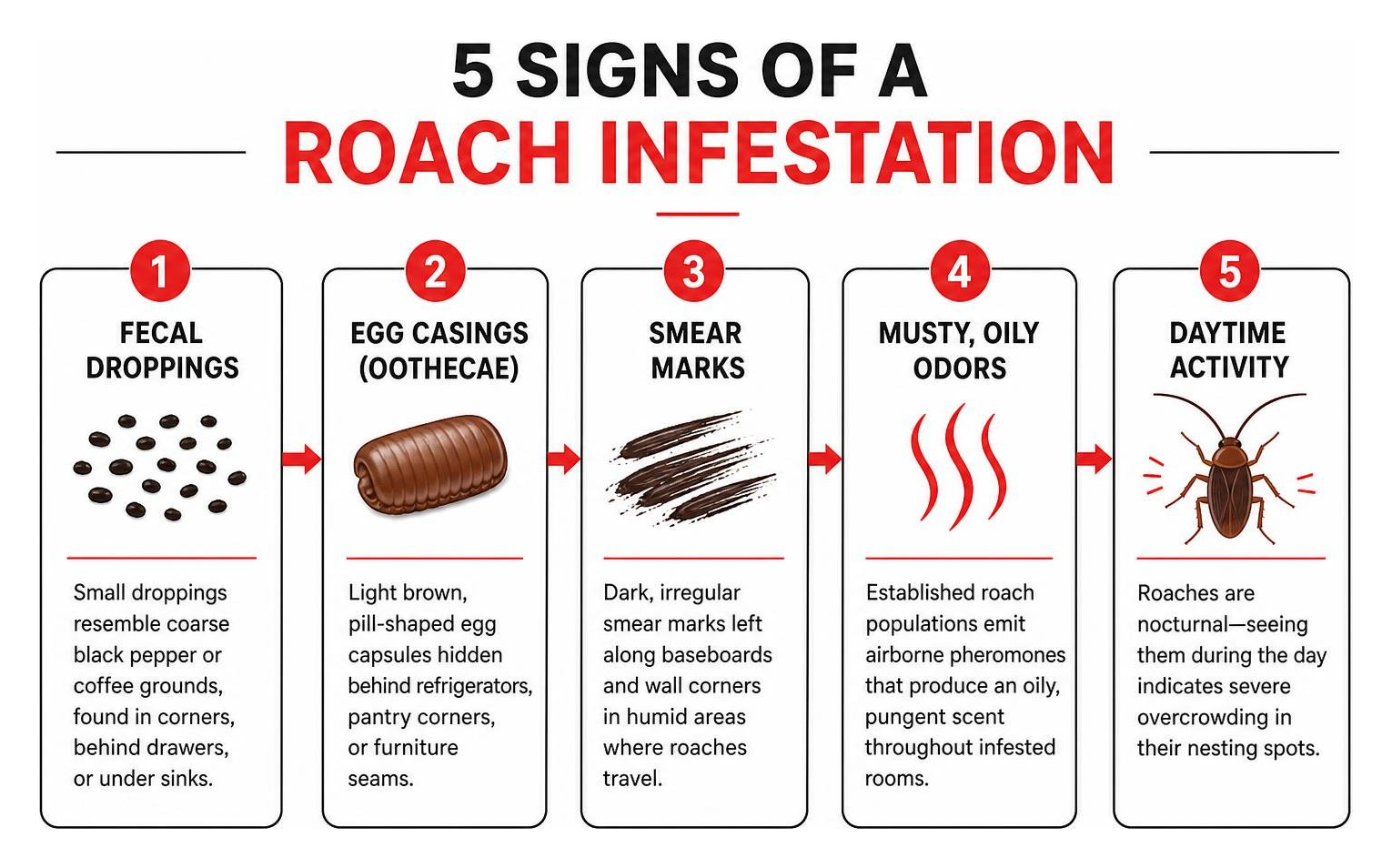
- Fecal Droppings: Small roach droppings resemble coarse ground black pepper or coffee grounds, frequently clustered in cabinet corners, behind drawers, or under sinks.
- Egg Casings (Oothecae): Light brown, pill-shaped egg capsules hidden behind refrigerators, pantry corners, or furniture seams.
- Smear Marks: Dark, irregular smear marks left along baseboards and wall corners in humid areas where roaches travel.
- Musty, Oily Odors: Established roach populations emit airborne pheromones that produce an oily, pungent scent throughout infested rooms.
- Daytime Activity: Because cockroaches are nocturnal, seeing them out in the open during the day indicates severe overcrowding in their nesting spots. Learning more about identifying common signs of roach activity can help you confirm an issue before it escalates.
Beyond the ick factor, roaches present genuine health hazards. They carry over 30 types of bacteria (including Salmonella and E. coli), spread parasitic worms, and their shed skins and feces are potent allergen triggers known to cause asthma attacks, particularly in young children.
The True Cost of DIY Cockroach Control
Many homeowners try to save money with hardware store foggers, aerosol sprays, and ultrasonic plug-ins. Unfortunately, over-the-counter foggers and “bug bombs” usually make the problem worse. These products release broad repellent chemicals that irritate the insects, driving the colony deeper into wall cavities, subfloors, and adjacent rooms.
Furthermore, German cockroaches have developed widespread resistance to many common retail pyrethroids. Ultrasonic repellers offer no scientifically proven control. While spending $40 to $80 on DIY products seems economical, it often delays effective treatment by several months—turning a simple $150 early-stage job into an extensive $600+ multi-room cleanout.
Working with licensed local exterminators ensures you receive targeted commercial-grade baits, professional IGRs, and non-repellent formulations that eliminate the entire population.
Evaluating Professional Quotes and Spotting Red Flags
When comparing pest control estimates, transparent pricing and clear treatment methodologies are essential. Watch out for these warning signs:
- Quotes Given Without Species Identification: A quote that does not ask for or identify the roach species is a major red flag. Treating American roaches like German roaches (or vice versa) results in misapplied products and wasted money.
- Guaranteed Single-Visit Elimination for German Roaches: Any company promising 100% eradication of German cockroaches in a single visit is ignoring insect biology. Egg cases take weeks to hatch, making follow-up evaluations necessary.
- Baseboard-Only Spraying Protocols: Technicians who simply spray baseboards with liquid repellant will scatter the roaches rather than resolve the root harborage inside cabinets and wall voids.
- Prices Below $90: Quotes far below regional averages often indicate unlicensed operators, uninsured labor, or cut-rate, heavily diluted products that will not solve the issue.
- Unclear or Non-Itemized Pricing: Professional quotes should clearly outline the areas to be treated, the formulations used (baits, dusts, IGRs), the schedule of follow-up visits, and all warranty or re-treatment terms.
Frequently Asked Questions About Roach Extermination Costs
How long does it take for professional roach extermination to work?
Total eradication typically takes 4 to 8 weeks. While baiting and contact treatments will reduce visible populations within the first 3 to 7 days, complete control depends on the life cycle of the species. As hidden egg capsules hatch over the following month, newly emerged nymphs must encounter the active bait or growth regulators before the population is entirely gone.
Can an exterminator get rid of German roaches in one visit?
No. German roach oothecae protect unborn nymphs from exposure to most liquid pesticides. Because these egg cases hatch over several weeks, a reliable German roach treatment requires at least two to three targeted visits spaced 14 to 21 days apart to eliminate each generation before it reaches reproductive maturity.
Is ongoing quarterly pest control worth the investment?
Yes. Enrolling in an ongoing quarterly pest management plan is typically more cost-effective than paying for emergency cleanouts every time pests return. Quarterly services create an uninterrupted protective barrier around your home’s exterior, stopping roaches, ants, spiders, and other seasonal pests before they establish indoor colonies.
Conclusion: Investing in Effective Cockroach Eradication
Dealing with a cockroach infestation is stressful, but understanding the real costs helps you make an informed decision for your home. While national averages run from $100 to $600, your actual price depends on accurate species identification, the severity of the infestation, and the specific structural treatments required to break the reproductive cycle.
At Capital Pest Services, Inc., we deliver tailored integrated pest management solutions across Raleigh, Durham, Cary, Chapel Hill, Wake Forest, Apex, and the greater Triangle region. If you suspect roach activity in your home or business, protect your space today with our specialized cockroach control services to clear out pests and keep them from coming back.
Capital Pest is proud to be a family-owned and operated pest control company serving Raleigh, NC and its surrounding area (Chapel Hill, Wake Forest, Clayton, Pinehurst, Pittsboro, Fuquay-Varina, etc). Contact us for our pest control services today!