Best Mosquito Control for Yards Ranked by Effectiveness
Understanding Mosquito Biology, Breeding Habits, and Health Risks
The best mosquito control for yard use combines three approaches: Bti larvicides to stop larvae in standing water, spatial repellents to shield patios and decks, and residual barrier sprays to treat landscaped resting areas. This integrated strategy targets mosquitoes at every life stage, because no single product eliminates every mosquito. To apply it effectively, you have to understand how mosquitoes operate. Across the United States, there are over 150 species of mosquitoes, each adapted to exploit tiny microhabitats around residential properties.
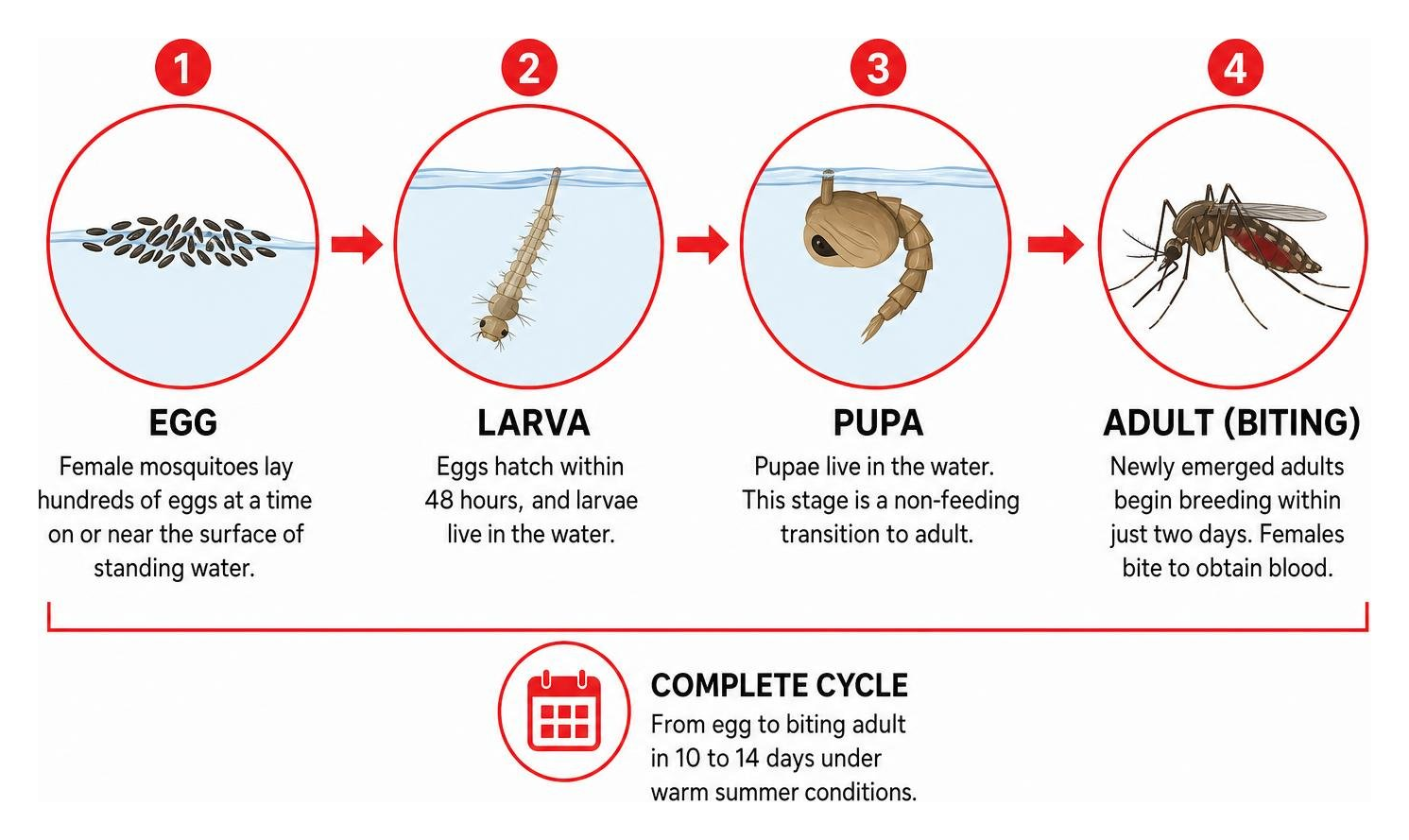
The mosquito life cycle consists of four distinct stages: egg, larva, pupa, and adult. The entire process—from egg to biting adult—typically takes just 10 to 14 days under warm summer conditions. Female mosquitoes lay hundreds of eggs at a time on or near the surface of standing water. In fact, a mosquito can breed in as little as a single teaspoon of stagnant moisture. Eggs hatch within 48 hours, and newly emerged adults begin breeding within just two days.
Controlling these pests is not just a matter of avoiding annoying, itchy bites. Globally, mosquito-borne illnesses account for an estimated 7.25 million deaths annually. In our local communities, mosquitoes serve as primary vectors for severe health conditions:
- West Nile Virus & Encephalitis: Viral infections that cause severe neurological inflammation in humans.
- Heartworm Disease: A life-threatening parasitic worm transmitted directly to dogs and cats through mosquito bites.
- Dengue & Zika Viruses: Emerging threats that cause acute fever, joint pain, and severe systemic illness.
Source reduction—eliminating stagnant moisture—is the cornerstone of effective management. Common residential culprits include clogged rain gutters, birdbaths, neglected swimming pools, plant saucers, tarps, old tires, and hollow tree knots.
Natural predators offer biological support, though they cannot solve severe infestations alone. For instance, a single brown bat can consume up to 1,000 mosquitoes an hour, while a female mosquito fish (Gambusia affinis) introduced to an ornamental pond can devour up to 500 larvae each day.
Ranking the Best Mosquito Control for Yard Solutions
No single product eliminates every mosquito. Achieving reliable control requires a multi-tiered defense combining larvicides (which kill immature stages in water) and adulticides (which manage flying, biting adults).
| Method | Target Life Stage | Typical Coverage Area | Residual Duration | Impact on Pollinators | Best Use Case |
|---|---|---|---|---|---|
| Bti Larvicides | Larvae & Pupae | ~100 sq. ft. per dunk | Up to 30 days | None (Target-specific) | Water features, birdbaths, rain barrels |
| Spatial Repellers | Adults | Up to 3,000 sq. ft. | Active during runtime | Minimal (Contained zone) | Patios, outdoor dining, pool decks |
| Natural Essential Oils | Adults & Larvae | 5,000–10,000 sq. ft. | Reapply every 2–4 weeks | Very Low (Targeted octopamine) | Eco-conscious backyards, gardens |
| Residual Barrier Sprays | Adults | Entire landscaped perimeter | 21 to 30 days | Low to Moderate (Requires targeted application) | Dense foliage, shaded property borders |
Larval Control and Bti Dunks: Best Mosquito Control for Yard Water Sources
Treating breeding sources before adult mosquitoes emerge is the most cost-effective and environmentally sound tactic available.
The premier solution for standing water is Bacillus thuringiensis israelensis (Bti), a naturally occurring soil bacterium. When mosquito larvae feed on Bti, the bacterial proteins disrupt their digestive systems, killing them swiftly without harming fish, birds, amphibians, pets, or humans. A single briquette or disk of Bti treats roughly a 100-square-foot area of surface water for about 30 days.
For non-draining containers where Bti is not used, insect growth regulators (IGRs) like methoprene prevent larvae from maturing into breeding adults, helping manage aquatic breeding sites and surrounding perimeters effectively.
Spatial Repellents and Smart Hubs: Best Mosquito Control for Yard Patios
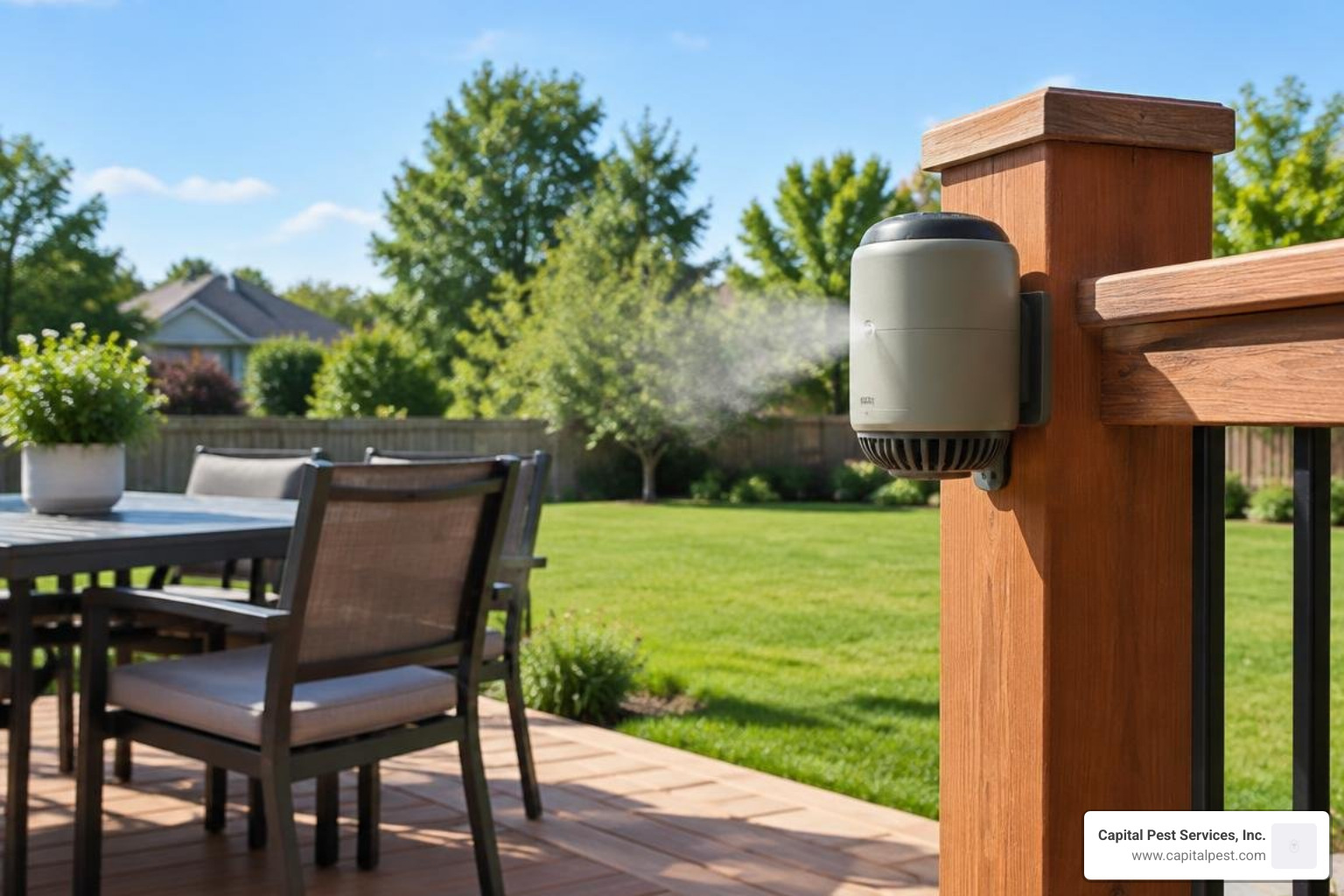
For concentrated outdoor areas like dining spaces and decks, spatial repellents create an invisible shield by gently warming active ingredients like allethrin or metofluthrin.
Leading options include:
- Rechargeable Portable Units: Devices featuring rechargeable multi-hour batteries disperse scent-free repellent across a 20-foot zone. As highlighted in The Best Mosquito Control Gear for Your Patio or Yard, spatial units perform exceptionally well in low-breeze environments without greasy topical sprays.
- Whole-Yard Smart Systems: Installed perimeter networks protect expansive entertaining areas up to 3,000 square feet using multi-hub, app-controlled dispensers.
That high winds will disperse the protective vapor cloud, making supplementary measures necessary on blustery evenings.
Plant-Based Essential Oil Sprays
Homeowners seeking botanical options often turn to cedarwood oil, peppermint, or lemongrass formulations. Plant-based essential oil sprays kill on contact while creating a natural aromatic barrier.
Cedarwood oil targets octopamine—a neurotransmitter vital to mosquitoes, fleas, and ticks that beneficial pollinators like honeybees and butterflies do not rely on in the same way. To prevent phytotoxic leaf burn, always apply plant-oil sprays in the early morning or late evening when temperatures remain below 90°F. These botanical formulas handle multi-pest yard pressures with no mandatory dry times, making them popular for eco-conscious households.
Residual Barrier Sprays and Professional Treatments
When dense foliage and deep shade harbor heavy mosquito populations, residual barrier treatments provide the longest-lasting relief.
Formulated with synthetic pyrethroids such as bifenthrin or permethrin, these sprays adhere to the undersides of leaves, dense ground covers, and structural overhangs where mosquitoes rest during daytime heat. Specialized fogging formulations deliver rapid knock-down for outdoor events and maintain residual deterrence for up to 21 days.
For comprehensive seasonal protection, our team applies micro-encapsulated formulations using specialized backpack mist blowers via our residential pest control services. This process creates a 21- to 30-day continuous defense perimeter around your property line while keeping blooming plants untouched.
Ineffective Yard Treatments to Avoid
Marketing claims often steer homeowners toward gadgets that fail under scientific scrutiny:
- Bug Zappers: Ultraviolet zappers primarily attract and kill harmless or beneficial nocturnal insects. Studies show mosquitoes make up a tiny fraction of one percent of zapper kills.
- Ultrasonic Repellent Devices: Controlled laboratory tests confirm ultrasonic frequency emitters have zero measurable repellent effect on biting pests.
- Citronella Candles: Open-air candles offer minimal protection outside of an arm’s length radius, as normal air movement instantly dilutes the scent.
- Unverified Suction Traps: While commercial CO₂ traps capture insects, poorly positioned traps frequently lure more mosquitoes into your central living zone than they capture.
A simple oscillating outdoor patio fan is far more effective. Mosquitoes are weak fliers, and the mechanical airflow dissipates the carbon dioxide and body heat they use to track you.
Applying Integrated Pest Management (IPM) to Your Backyard
Integrated Pest Management (IPM) is an environmentally responsible approach that pairs regular habitat disruption with targeted treatments rather than indiscriminate chemical spraying.
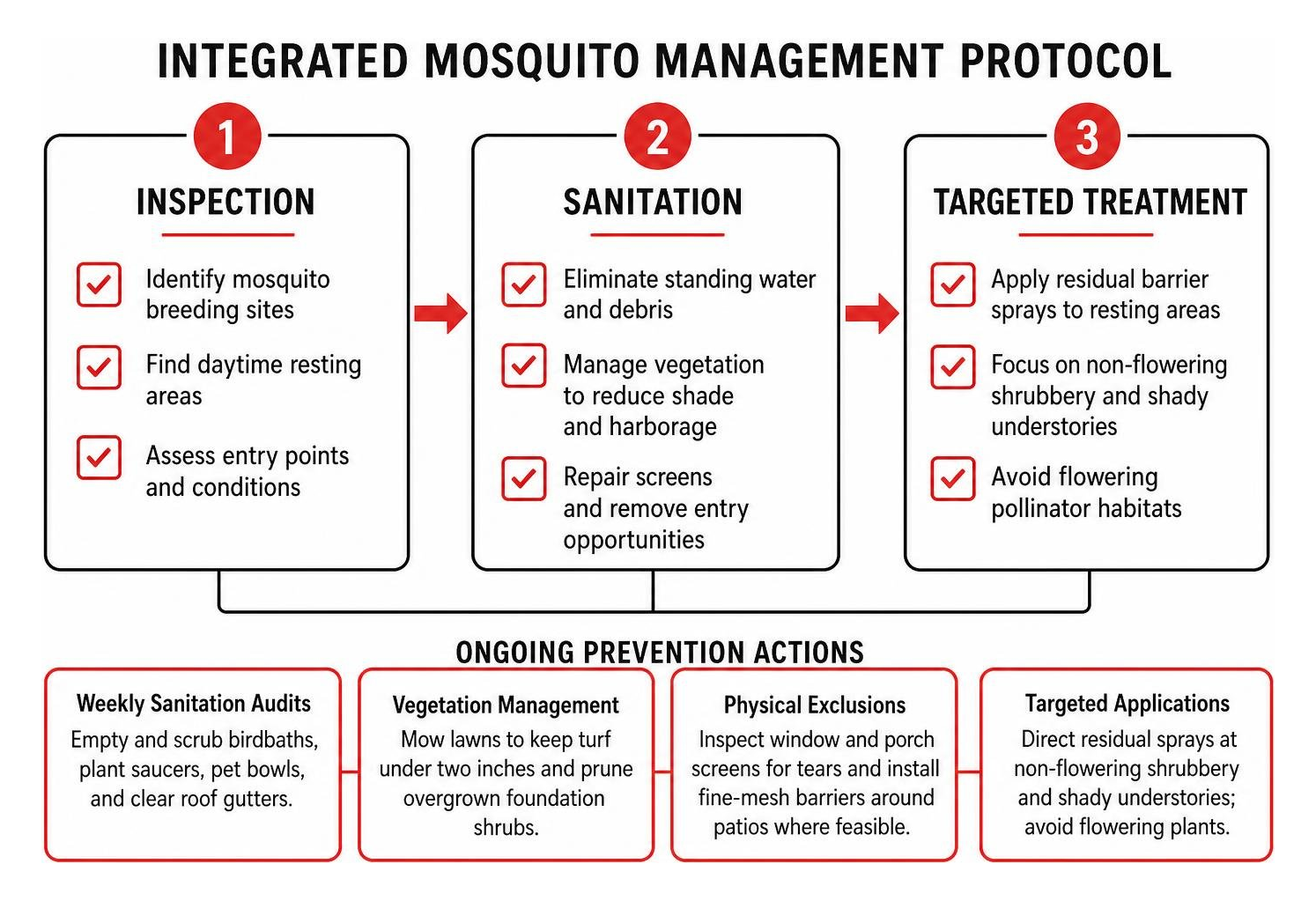
- Weekly Sanitation Audits: Empty and scrub birdbaths, plant saucers, and pet bowls. Clear roof gutters of leaves to ensure downspouts flow freely.
- Vegetation Management: Mow lawns regularly to keep turf under two inches and prune dense, overgrown foundation shrubs to eliminate daytime resting spots.
- Physical Exclusions: Inspect window and porch screens for tears, installing fine-mesh barriers around patios where feasible.
- Targeted Applications: When applying residual barrier sprays, direct applications specifically at non-flowering shrubbery and shady understories, completely avoiding flowering pollinator habitats.
Frequently Asked Questions About Yard Mosquito Control
How often should mosquito treatments be applied to a yard?
Residual barrier sprays should be reapplied every 21 to 30 days throughout the active spring and summer breeding seasons. Heavy, continuous rainfall can degrade surface residues faster, requiring mid-cycle spot touch-ups. Biological Bti dunks in standing water features should be replaced every 30 days.
How can I protect bees and butterflies during mosquito treatments?
Never spray flowering plants, vegetable gardens, or blooming ornamental beds. Schedule all treatments for early morning or late dusk when pollinators are not actively foraging, and use targeted backpack mist blowers rather than uncontrolled broadcast sprayers. Natural essential oil sprays such as cedarwood oil formulas target octopamine, a neurotransmitter that beneficial pollinators do not rely on in the same way, making them a lower-risk option for eco-conscious yards.
What personal protection should I use alongside yard control?
When spending time outside treated zones, apply EPA-registered skin repellents containing DEET, Picaridin, or Oil of Lemon Eucalyptus (OLE). Wearing loose-fitting, light-colored long sleeves and treating outdoor gear with permethrin provides an added layer of defense during peak dawn and dusk hours.
What is the best mosquito control for yard water features?
For birdbaths, rain barrels, ornamental ponds, and other standing water that cannot be drained, Bti dunks are the preferred solution. A single briquette treats roughly 100 square feet of surface water for about 30 days, killing mosquito larvae without harming fish, birds, pets, or beneficial insects. For non-draining containers where Bti is not used, insect growth regulators like methoprene prevent larvae from maturing into breeding adults.
Do mosquito traps and zappers work in yards?
Most consumer mosquito traps and ultraviolet bug zappers do not provide meaningful relief. Bug zappers primarily kill harmless nocturnal insects while mosquitoes make up a tiny fraction of one percent of their catch. Ultrasonic repellent devices have zero measurable repellent effect in controlled tests. A simple oscillating outdoor fan is often more effective at keeping mosquitoes away from seating areas than either of these gadgets.
Reclaim Your Lawn with Professional Mosquito Management
Achieving a comfortable, bite-free lawn requires an integrated strategy: eliminating breeding water, neutralizing larvae with Bti, and establishing targeted adult barriers around living zones.
If you are ready for dependable, season-long relief across the Raleigh-Durham Triangle, our local team at Capital Pest Services is here to help. Explore our customized pest control plans or check how much pest control usually costs to protect your property and family all season long.
Capital Pest is proud to be a family-owned and operated pest control company serving Raleigh, NC and its surrounding area (Chapel Hill, Wake Forest, Clayton, Pinehurst, Pittsboro, Fuquay-Varina, etc). Contact us for our pest control services today!